
People don’t get dermal fillers for no reason. Everyone walking into a clinic is looking to fix something specific, whether it’s a hollow temple, a sagging jawline, or those deep nasolabial folds that show up as we get older. It’s easy to think of fillers as a quick fix for a single wrinkle, but it’s actually much more complicated than that. These injectable gels are medical tools meant to replace lost volume or add definition to the face.
When you book an appointment, you aren’t just buying a syringe; you’re choosing a chemical mechanism that’s going to interact with your biology. Some products sit on the surface to smooth a line, while others go deep into the tissue to provide a structural lift. Knowing the difference between the two is what separates a natural result from a look that feels “done.”
The technology has come a long way from the basic gels we saw a decade ago. Today, the market is split by how a product behaves once the needle is out of your skin. You basically choose between temporary hydration and long-term structural remodeling.
The Chemistry of Your Face: Three Main Categories
Not all fillers work the same way. Trying to treat a hollow cheek with a product meant for a lip crease is a mistake you’ll likely regret. To understand your options, you have to look at the three FDA-approved categories of materials that dominate the market. They are grouped by their molecular structure and how your body eventually processes them.
First, there is Hyaluronic Acid (HA). This is the most common type because HA is already a substance found naturally in your skin. When an injector uses an HA filler, they’re adding a highly concentrated, moisture-retaining gel to your tissue. It’s temporary, it’s reversible with an enzyme called hyaluronidase, and it provides immediate volume. If you want to fix a specific wrinkle or plump a lip, HA is the standard choice.
Second is Calcium Hydroxylapatite (CaHA). This is a different beast. Instead of just acting as a gel, it works as a scaffold. It provides immediate volume, but it also stimulates your own body to produce collagen. It’s a hybrid approach that offers instant gratification and long-term structural support. Because it’s more substantive, it’s often used for contouring the jawline or the mid-face.
Third, there are Polylactic Acid (PLLA) fillers. These aren’t “fillers” in the traditional sense of providing immediate volume. They are biostimulators. You won’t see a change the moment you leave the chair. Instead, you wait weeks or months as your body builds new collagen around the particles. It’s a slow, gradual process of skin thickening and lifting. 3 FDA-Approved Dermal Fillers: HA, CaHA & PLLA… shows how matching the right option to your goals requires understanding this timeline.
The choice comes down to whether you want to fill a hole or rebuild a foundation. You can’t rush PLLA, and you shouldn’t use a heavy CaHA for delicate fine lines around the eyes. Your injector needs to match the viscosity of the gel to the actual depth of the wrinkle.
Decoding the Leading Brands
The market is crowded with names that sound like they belong in a luxury skincare line. Juvederm, Restylane, Belotero, Radiesse, and Sculptra are the heavy hitters you’ll see on most clinic menus. Each brand uses different cross-linking technologies to control how quickly the product breaks down or how much “lift” it provides.
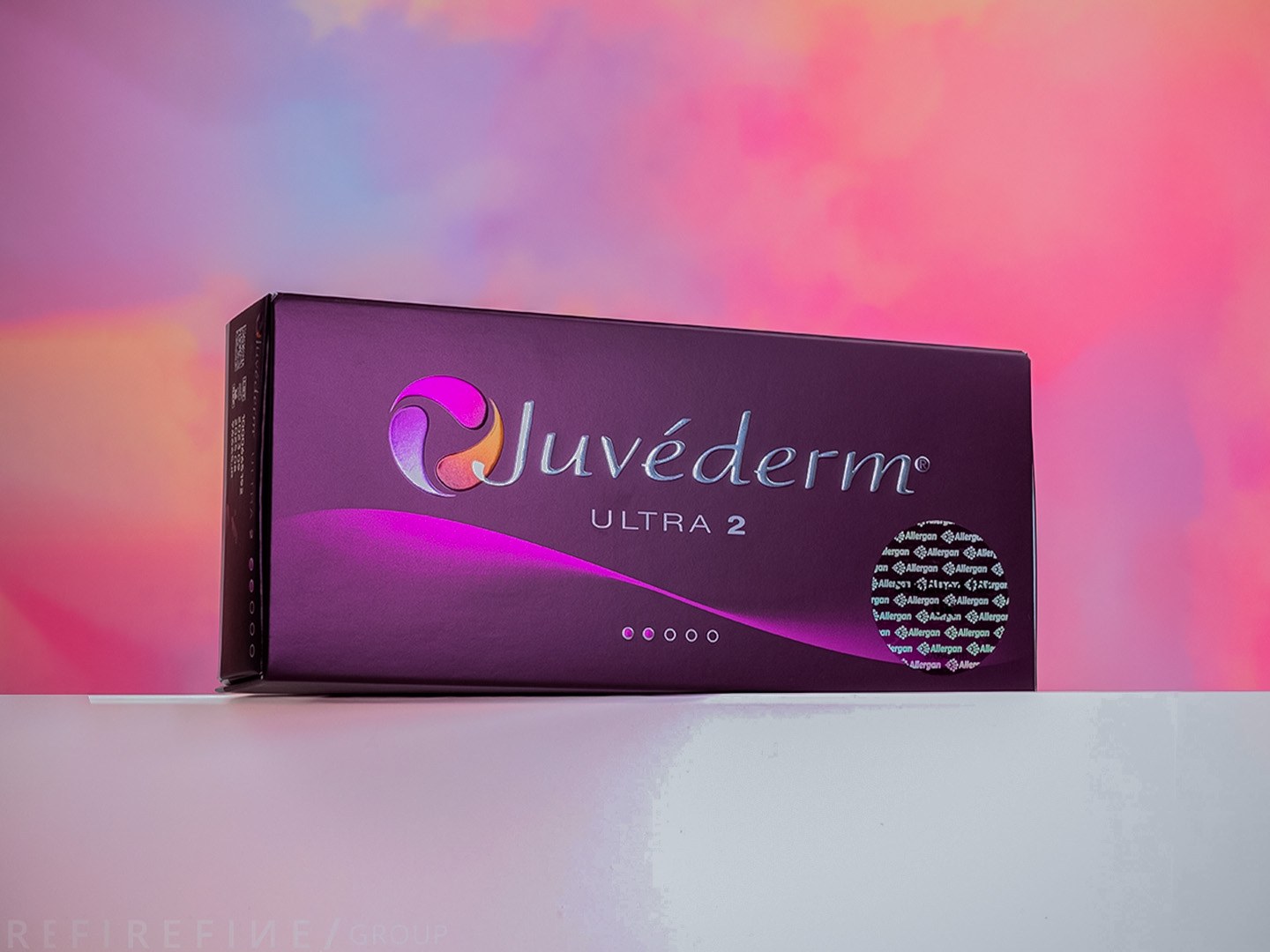
Juvéderm is probably the most recognizable HA option. It’s often the go-to for lip augmentations because it can be formulated to be incredibly soft, mimicking the natural feel of your lips. It’s versatile enough for everything from subtle smoothing to significant volume. If you want a result that feels soft to the touch, Juvéderm is a frequent candidate.
Restylane is another HA giant that offers a variety of textures. Some versions are designed to stay put in areas like the cheeks where you need structural support, while others are more fluid. Belotero is also a notable HA option that focuses on “micro-lifting” the skin, making it particularly effective for those shallow creases that make skin look crepey or weathered. It integrates into the tissue quite smoothly, which helps avoid the “lumpy” look some people fear.
Then there are the heavy lifters like Radiesse and Sculptra. Radiesse is the CaHA option mentioned earlier, and it’s excellent for those who want a more sculpted, “snatched” appearance. Sculptra is the PLLA option used for global facial rejuvenation. It’s less about “filling” and more about “restoring” the skin’s overall quality through collagen induction.
| Brand Name | Primary Type | Best Use Case | Main Benefit |
|---|---|---|---|
| Juvéderm | Hyaluronic Acid | Lips & fine lines | Natural, soft feel |
| Restylane | Hyaluronic Acid | Cheeks & folds | Versatile textures |
| Belotero | Hyaluronic Acid | Crepey skin | Seamless integration |
| Radiesse | CaHA | Contouring | Collagen stimulation |
| Sculptra | PLLA | Volume loss | Long-term remodeling |
Keep in mind that your choice of brand is only half the battle. The skill of the person holding the needle is the other half. Even the most expensive syringe of Juvéderm will look terrible if it’s placed in the wrong anatomical plane. You are paying for the injector’s eye as much as the product itself.
The Reality of Results and Risks
People often ask if they can have Botox and dermal fillers at the same time. The answer is yes, and in many cases, you should. Botox is a neurotoxin that freezes the muscle to stop wrinkles from forming, while fillers add volume to the space created by those moving muscles. They work on different layers. Using them together is a standard way to achieve a refreshed look without looking overdone.
But you have to go in with your eyes open regarding the risks. While most procedures are routine, they’re still medical interventions. Common side effects include bruising, swelling, and redness at the injection site. These usually clear up within a week. However, more serious complications can occur if the product is accidentally injected into a blood vessel. This is a rare but severe risk that requires an experienced professional to manage.
You should also be aware of “filler fatigue.” This happens when you keep adding more and more HA filler to the same area to keep up with aging, eventually leading to a face that looks heavy or overly inflated. This is why many modern practitioners are moving toward biostimulators like those from bavariapharma-distribution.ro/ to rebuild the skin’s natural architecture rather than just stacking more gel on top of old gel.
Common risks include:
- Nodules: Small, hard lumps that form if the filler is placed too close to the surface.
- Tyndall Effect: A bluish discoloration that happens when HA is injected too close to the skin surface.
- Asymmetry: The natural tendency of the face to be uneven, which can be made worse by unevenly placed product.
- Vascular Occlusion: The most serious risk, where product blocks a blood vessel, requiring immediate medical attention.
And never skip the consultation. A good injector will talk about your anatomy, your medical history, and what is actually realistic. If a provider promises you a “perfect” look without asking about your skin’s thickness or your lifestyle, walk away. You want a clinician, not a salesperson.
Matching Product to Anatomy
The “best” filler is entirely subjective to your specific facial structure. If you have very thin skin, like around the eyes, you need a very fine, soft filler. If you have thick, fatty tissue in the cheeks, you need something that can hold its shape under pressure. You can’t use the same tool for every job. The “one size fits all” approach to aesthetics is a myth that leads to dissatisfaction.
Think of your face as a 3D sculpture. When you age, you don’t just get wrinkles; you lose the underlying fat pads that give the face its youthful shape. You lose volume in your temples, cheeks hollow out, and your jawline loses its crispness. Some fillers are meant to address the surface lines, while others are meant to replace those deep, lost fat pads.
For example, if your main concern is a “hollow” look, you want a high-viscosity filler that provides lift. If you’re worried about a “crinkly” look on your lips, you want something that flows easily. If you want to fix a sagging jawline, you are likely looking at a combination of HA for immediate lift and a biostimulator like Sculptra to help tighten the skin’s foundation over time.
The goal of aesthetic medicine is to look like a refreshed version of yourself, not a different person. The best results are the ones that no one notices, but everyone thinks makes you look well-rested. It’s an art of subtle adjustments and an understanding of the complex science of human tissue.
You should always prioritize safety and expertise over the lowest price. The complexity of facial anatomy means the person performing the procedure must have an intimate understanding of how different fillers interact with your specific muscles and bones. Choose a practitioner who values long-term skin health over quick, repetitive injections.
A few things readers ask
How are dermal fillers different from Botox?
Botox is a neurotoxin used to relax muscles and reduce wrinkles, while dermal fillers add volume to restore lost fat or smooth deep lines.
Can you have Botox and dermal fillers at the same time?
Yes, many patients receive both in a single session to address both dynamic wrinkles and volume loss simultaneously.
What is the best filler for my face?
The best filler depends on your specific anatomy and goals, such as adding volume to cheeks or smoothing nasolabial folds.
What is the best dermal filler brand?
The best brand depends on the injection area, with popular choices like Juvederm and Restylane being industry standards for various facial needs.
How long do dermal fillers last?
The longevity of fillers varies by product and area, typically lasting anywhere from six to eighteen months before needing a touch-up.