
Navigating the Pharmacy Scene in Warsaw

Apteka Morel pharmacy in Warsaw

That’s why you shouldn’t just walk into the first shop you see when you have a prescription in hand. A pharmacy isn’t just a place to grab a box of aspirin. In a city like Warsaw, your experience changes depending on which door you walk through.

I remember standing on a street corner near the center, clutching a crumpled piece of paper from a doctor and feeling completely lost because of the language barrier. It’s a common feeling when you’re navigating a new city. You see the green crosses everywhere, but they don’t all offer the same service or the same stock.

If you need something specific, you have to know where to go. Not every shop carries the niche items required for a chronic condition or a specific allergy. You need to be proactive so you don’t waste time walking from one end of the district to the other.

Most people just settle for convenience. They grab whatever is on the shelf at the nearest corner. That works for cough syrup, but it fails you when you need something more specialized. You learn quickly that preparation is everything when your health is the priority.

Finding Your Way Through Local Inventory

Warsaw is a sprawling place. You can spend an hour on the tram just trying to get to a specific neighborhood. When you realize the pharmacy you’re standing in doesn’t have your medication, the frustration sets in. It’s a real headache.

Larger pharmacies tend to have a wider range of non-prescription items. They often stock more supplements, skincare, and specialized baby products. If you are just looking for vitamins, a big shop is your best bet because they have the space to keep everything on the shelves.

Smaller, local spots are different. They feel more personal, but their inventory is tighter. They might not have the latest trendy skincare brand, but they usually have the basics. They are great for quick, everyday needs when you don’t want to deal with long lines.

If you prefer a more streamlined experience, you might find yourself visiting Apteka Morel Warszawa to see if they can source what you need. Having a reliable place to check first saves you a lot of unnecessary walking. You want a place that actually understands your needs without a massive wait.

The staff in these shops can be a lifesaver. If they are helpful, they’ll tell you immediately if they can order something for you. If they aren’t, they’ll send you on a wild goose chase. Always ask about availability before you leave the house next time.

I’ve seen people stand at the counter for ten minutes arguing over a generic versus a brand name. It’s a waste of everyone’s time. If you know what you want, say it clearly. If you don’t, ask them to explain the difference without the jargon.

I once spent twenty minutes trying to find a specific brand of hypoallergenic wipes. The pharmacist was a saint. She didn’t just say “we don’t have it.” She pointed me to a similar alternative that actually worked better. That’s the difference between a clerk and a professional.

Comparing Your Shopping Options

You basically have three choices when you need something. You can go to the giant chains, the small neighborhood spots, or the specialized medical pharmacies. Each one has a different vibe and a different set of pros and cons. You need to decide what matters most to you right now.

The big chains are efficient. They are everywhere. You don’t have to think too much about finding one. However, they can feel a bit clinical. You are just a number in a long queue. It’s not exactly a warm experience, but it is fast.

Local shops feel like a community part of the street. The regulars probably know the pharmacist by name. This is great for advice, but don’t expect them to have a massive warehouse of products. You might have to wait a day for an order to arrive.

Then you have the specialized shops. These are the ones you seek out for specific needs. They might only be in certain parts of the city. They aren’t always easy to find, but they are worth the trip if you have a specific requirement. You get much better service here.

Pharmacy Type Best For Drawback
Large Chains Quick errands Longer lines
Local Shops Quick advice Limited stock
Specialized Specific needs Harder to find

It really comes down to your immediate priority. If you are in a rush, go to the big one. If you want to chat and get a recommendation, go local. If you need that one specific thing for your skin or your chronic issue, go specialized. Simple as that.

Don’t bother with the tiny kiosks for anything serious. They are only for basic stuff like tissues or maybe some bandages. If you have a prescription, you aren’t going to find what you need in a little stall on the street corner.

Navigating Language and Communication

Language is the biggest hurdle for many people in Warsaw. Even if you speak some Polish, the technical terms for medications can be a nightmare. You shouldn’t rely on hand gestures alone. It’s risky. You might walk away with the wrong thing entirely.

Always carry a written list of what you need. Even if it’s just a photo on your phone. It takes the pressure off the conversation. It allows the pharmacist to look at the word and match it to their system without needing a deep conversation.

Sometimes, the pharmacy staff might not speak perfect English. This is usually fine for basic things. But if you are discussing complex dosages or side effects, you need to be careful. You don’t want to guess for your health. It’s just too dangerous.

I’ve seen people use translation apps on their phones to communicate. It works, but it’s slow. It can be a bit awkward. You can see the awkwardness on their faces. It’s better to be direct and use a few key words if you know them.

Here is a quick checklist for your visit:

  • Bring your physical prescription or the digital code.
  • Have your ID ready if you are picking up controlled items.
  • Carry a photo of the specific brand name.
  • Ask for the price before you commit.

It sounds like a lot of work, but it prevents a lot of stress. You want to walk in, get what you need, and walk out. You don’t want to be stuck in a loop of confusion. Most pharmacists are very patient, though. They deal with tourists all the time.

If you find yourself in a situation where you aren’t sure if they understood you, ask them to show you the box. Look at the name. Compare it to your paper. It’s the only way to be certain you didn’t just nod along to something you didn’t actually need.

Understanding the Availability of Goods

You might find that some things are readily available while others are strangely absent. This isn’t always about the shop’s size. Sometimes it’s about the supply chain or local demand. It can be unpredictable. You can’t always trust that a shop will have it just because they said they would.

If they say they can order something, ask how long it takes. Usually, it’s the next working day. But “working day” is a vague term. You might think they mean tomorrow, but if it’s a weekend, you might be waiting until Tuesday. Clarify this immediately to avoid frustration.

I once waited three days for a supplement that was supposed to be “ordered.” It turned out it was out of stock at the distributor too. It was a massive waste of time. Always have a backup plan if you’re dealing with something you can’t go without for a day or two.

The price can also vary. You might notice that the same brand of vitamins is different in a big chain versus a small local pharmacy. It isn’t always a scam; sometimes it’s just different distributors. Don’t assume the cheapest one is the best, and don’t assume the most expensive one is the highest quality.

You should also be aware of the “Rx” versus “OTC” divide. Over-the-counter is easy. You just grab it. Prescription-only items require more paperwork. If you don’t have your paperwork in order, you are just wasting your breath. The pharmacist can’t bypass the law just because you’re in a hurry.

It’s also worth checking if the pharmacy has an online presence or a way to check stock. Some places are very tech-savvy now. You can check a website and then just show up. It’s a game changer for anyone with a busy schedule. It saves so much energy.

Don’t be afraid to ask for a receipt. You might need it for a refund or for insurance purposes later. Some smaller shops are a bit lax about this, but you should insist. It’s your right, and it protects you if the product is faulty or the wrong one.

If you are traveling, always carry a small supply of your essential medications in your carry-on bag.


Navigating the Pharmacy Network in Dzierżoniów

Pharmacy in Dzierżoniów

It’s 6:45 PM on a Tuesday. You’ve got a sudden, sharp pain in your temple, or maybe your kid has a fever that won’t break, and you realize the local clinic closed an hour ago. You grab your keys and head through the streets of Dzierżoniów, looking for that glowing green cross that promises the specific medication your doctor prescribed. The anxiety of wondering if a shop is actually open, or if they even have your prescription in stock, is a headache every local knows too well.

In the Lower Silesian Voivodeship, finding a pharmacy isn’t about luck; it’s about knowing where to go once the sun goes down. The Dzierżoniów district has a solid network of providers, but it isn’t distributed evenly. Some shops stick to high-traffic central spots, while others sit out on the residential edges. Basically, how close you are to a specific pharmacy dictates your entire evening plan.

With everything from tiny, family-run spots to larger corporate pharmacies, the “best” option depends entirely on what you need at that exact second. If you’re hunting for a specific brand of vitamins, you’ll likely have better luck in the center. If you need something specialized for skin care, you might end up driving toward the outskirts. It’s a logistical puzzle residents deal with every day.

The Local Landscape of Retailed Medicine

Dzierżoniów acts as a hub for the surrounding communes, which makes the pharmacy market here much more competitive than in the smaller towns nearby. There are several established players that have been part of the town for years. For instance, there are locations around Świdnicka. Having a pharmacy located at 58-200 Dzierżoniów, Świdnicka 71, puts it in a prime spot for commuters or anyone running errands in the town’s core.

Then there’s the specialized side of things. It isn’t all pills and bandages; some businesses focus on the aesthetic side of wellness. For example, NEW LOOK A&D hurtownia fryzjersko-kosmetyczna on ul. Krasickiego Ignacego 15b serves the professional beauty and hair care market. That’s a different beast entirely from the medical supply chain. You won’t find antibiotics there, but it shows just how diverse the retail scene is in the 58-200 postal code area.

Pharmacy availability in the Dzierżoniów district is documented so residents aren’t left without options, though the list of addresses shifts as shops open or close. It’s a living map. If you want a full view of how these facilities are spread across the whole county, you can find a detailed list, including opening hours and contact details, via this wykaz aptek na terenie powiatu dzierżoniowskiego.

Understanding this geography matters. You don’t want to be wandering around the town square when you’re looking for something specific. Mapping out your “go-to” pharmacy, the one you use for routine prescriptions, can save a lot of time during a medical emergency. It’s about being efficient, not just convenient.

Many residents rely on a local favorite, like Apteka Parkowa, to bridge the gap between basic needs and specialized advice. Knowing which pharmacy handles which types of stock is basically the unofficial rulebook of the town.

Navigating Specific Establishments and Their Hours

When you’re looking for a specific shop, you need more than just a name; you need a phone number and actual hours. A lot of people make the mistake of driving to a pharmacy only to find it’s closed for a lunch break or has already shut for the day. This is especially frustrating for elderly residents who can’t just wait a few hours for a refill.

Take “Apteka pod Murzynem.” They operate on a fairly standard schedule, opening at 08:00 on Mondays and Tuesdays and staying open until 18:30. If you need to reach them, the number is 74 831 73 22. If you’d rather use email, they’re at dzierzoniow.apteka@wp.pl. Keeping these details in your phone is just practical for anyone living around here.

Another major player is “Apteka pod Koroną.” Their contact info is 74 831 48 92, and they use the email aptekapodkorona@wp.pl. Knowing these details helps you decide whether to call ahead to check stock or just walk in. (Pro tip: always call ahead if you’re looking for a rare or expensive medication so you don’t waste a trip). It’s a simple step that saves a lot of frustration.

The following table summarizes some of the key contact points for local pharmacies:

Pharmacy Name Address/Location | Phone Email
Apteka pod Murzynem 74 831 73 22 dzierzoniow.apteka@wp.pl
Apteka pod Koroną 74 831 48 92 aptekapodkorona@wp.pl
Apteka Rodzinna Iwaszko gen. Sikorskiego 11B N/A

Local pharmacies are often more than just retail outlets; they’re the front line for community health. Pharmacists are usually the first people residents turn to for advice on minor ailments. That relationship is built on years of seeing the same regulars walk through the door every Tuesday morning.

The Distribution of Services Across the District

The Dzierżoniów district isn’t a monolith. While the town center is packed with services, surrounding areas like Bielawa have their own ecosystem. There’s an “Apteka Sp. z o.o.” in Bielawa, for instance, which serves a different crowd than the town center. This regional split means if you’re traveling between towns, you should know which pharmacy is closest to your actual destination.

“Apteka Rodzinna Iwaszko,” on gen. Sikorskiego 11B, is the kind of family-run business that offers a very personal level of service. These smaller shops often have a different vibe than the big chains. They might not have the massive inventory of a giant wholesaler, but they often provide a level of consultation that feels more personal and less transactional.

If you’re looking for a pharmacy with the “Tęcza” or “Rainbow” brand, you might find different pricing or loyalty programs. You’ll see people asking on local forums: “Jakie są opinie o aptece tęczowej w Dzierżoniowie?” (What are the opinions on the Rainbow pharmacy in Dzierżoniów?). These questions pop up because people want more than just medicine; they want value and reliability in a market that can be quite price-sensitive.

The logistics of getting medicine to the shelf are complex, and local pharmacies are the final, most important link in that chain. They get shipments from large wholesalers and have to manage stock carefully so that the basics, ibuprofen, paracetamol, blood pressure pills, are always there. When there’s a supply issue, it’s the local pharmacist who has to explain it to the frustrated patient standing at the counter.

Practical Advice for Getting Your Medications

When you need medicine, ask yourself three things: Do I have the prescription ready? Do I know the specific name of the drug? And most importantly, is the pharmacy actually open? Many pharmacies in the region have hours that don’t follow a standard 9-to-5, and assuming they’re open is a recipe for disappointment.

If you’re searching for something specific, the question “Kto ma lek Dzierżoniów?” (Who has the medicine in Dzierżoniów?) comes up a lot. It’s usually better to call two or three pharmacies rather than driving around. It’s a waste of fuel and time to visit three shops in person when a quick phone call could have told you the medicine is out of stock in the entire district, especially for specialized medications.

I’ve seen people spend an hour driving between Bielawa and Dzierżoniów looking for a specific supplement, only to find out it was at the first place they visited, but they were in too much of a rush to check the inventory. Efficiency is your best friend when you’re unwell. You don’t want to be navigating the streets of the Lower Silesian Voivodeship when you’re feeling your worst.

To keep things smooth, try these steps:

  • Verify your prescription: Make sure it’s the right form (electronic or paper) and hasn’t expired.
  • Call ahead: Especially for non-essential or specialized items, use those local directory numbers.
  • Check the time: Always double-check the closing time; many pharmacies close earlier on Saturdays or have weekday breaks.
  • Ask about alternatives: If a specific brand is out, ask the pharmacist if there’s a generic equivalent that is chemically identical.

The landscape is changing with online orders and delivery, but for immediate, acute needs, the physical store is still king. In a town like Dzierżoniów, the local pharmacy is a staple of daily life, one that requires a little respect for its hours and its expertise.

Navigating the Availability of Specialized Goods

While medicine is the main driver, having beauty and professional hair care wholesalers like the one on ul. Krasickiego adds another layer of complexity to the area. This shows that the retail infrastructure in Dzierżoniów is actually quite sophisticated. It isn’t just a collection of small shops; it’s a structured network of distributors and retail pharmacies.

For regulars in the area, it helps to distinguish between an “apteka” (pharmacy) and a “sklep kosmetyczny” (cosmetic shop). They aren’t the same. If you walk into a hair care wholesaler looking for a prescription antibiotic, you’re going to have a very bad day. On the flip side, if you go to a pharmacy looking for professional-grade salon hair dye, the selection might be limited compared to a dedicated wholesaler.

A pharmacy’s success in Dzierżoniów depends on balancing stock with what the locals actually need. A pharmacy that stocks everything but is always out of the most common medicines is useless. But a pharmacy that is always in stock but has terrible service will quickly lose its customers. It’s a delicate balancing act that local pharmacists perform every single day.

It’s a busy system, but it works.

Navigating the Reality of Short-Term Funding in the Badger State

Wisconsin installment loans

…and that’s when most people realize that a sudden car repair or an unexpected utility bill doesn’t wait for a scheduled payday. It’s a common scenario across Milwaukee and Green Bay alike. You find yourself staring at a mounting pile of obligations and a bank account that simply isn’t keeping pace with the calendar.

Many residents start looking into different ways to bridge that gap. They’ve probably heard the term used in passing at the local diner or seen it on a flyer. But the mechanics of how money actually moves in Wisconsin can be confusing if you aren’t looking at the fine print.

Traditional banking isn’t always an option when the timing is off. If your credit score has taken a hit due to previous struggles, walking into a major national bank often feels like walking into a brick wall. That’s where alternative lending enters the conversation, offering a way to handle immediate needs without the predatory structure of some other high-interest products.

Breaking Down the Installment Model

An installment loan is fundamentally different from the quick-hit cash advances that many people fear. Instead of one massive lump sum that you have to pay back all at once, this model spreads the debt out. You get the cash you need now, and you pay it back through consistent, equal payments over a set period.

This structure is meant to provide a bit more breathing room. If you borrow money to fix a transmission, you don’t necessarily want to owe the entire amount by next Friday. You want to pay it back in chunks that fit into your monthly budget. It’s about predictability rather than sudden, overwhelming debt shocks.

Actually, many people find that an installment loan can serve as a much more manageable alternative to a payday loan. It gives you the freedom to repay over time rather than being stuck in a cycle of constant renewals. This distinction is vital if you’re trying to maintain a semblance of financial order.

When comparing these options, it helps to look at the specific numbers. For instance, installment loans in Wisconsin can provide a way to access funds without the immediate pressure of a single, massive repayment date.

But how much can you actually get? It varies wildly depending on the lender and your specific financial situation. Some providers focus on smaller, quick-turnaround amounts, while others cater to larger needs like medical bills or home repairs. It is not a one-size-fits-all market.

Comparing Loan Limits and Provider Types

If you are looking at the numbers, you’ll see a broad spectrum of availability. Some lenders in the state are geared toward very small, short-term fixes. Others are designed for more significant financial hurdles. Knowing which one fits your situation prevents you from taking on more debt than you can actually handle.

In Milwaukee, for example, you can find signature installment loans that provide anywhere from $100 to $1,500. This is useful for smaller emergencies. On the other hand, if you need something more substantial, other providers might offer much higher ceilings. It’s a wide gap to bridge.

Let’s look at the current landscape of what’s available to Wisconsin residents:

Loan Type Typical Amount Range Primary Use Case
Small Signature Loans $100 – $1,500 Small repairs, quick bills
Standard Installment $200 – $5,000 Major car repairs, medical
High-Limit Funding Up to $1,500+ Emergency expenses

And what about your credit? A common misconception is that you need a perfect score to get through the door. That isn’t strictly true. There are options specifically designed for those with less-than-ideal credit histories. In fact, some residents in the state look for bad credit installment loans online up to $1500 to get through a tight month.

The trade-off for this accessibility is usually the interest rate. If you aren’t using a traditional bank, you are paying for that convenience and the lender’s willingness to take a risk on your credit profile. You have to weigh that cost against the immediate necessity of the funds.

The Digital Shift in Wisconsin Lending

The days of driving from one storefront to another in Green Bay to find cash are largely fading. The digital aspect of lending has changed the math for most people. You can now apply for these loans from your kitchen table, which saves time and, more importantly, saves you from the awkwardness of explaining your finances to a stranger in person.

Online lenders like Max Cash® have streamlined the process. They focus on offering secured installment loans where you can access funding and pay it back through those consistent, equal payments mentioned earlier. It’s a much more automated, less intrusive way to handle money.

Is it always faster? Not necessarily. While the application might be instant, the actual funding depends on several factors, including your bank’s processing times and the lender’s verification steps. You shouldn’t assume the money will be in your account the second you hit “submit.”

If you’re looking for the best way to navigate this, it helps to know who the major players are. Looking at some of the top-rated options for 2026, you’ll see names like Check City, Max Cash, and WiscLoans appearing in various lists. Each has a different specialty, and choosing the wrong one for your specific need can lead to unnecessary costs.

Some lenders are better for people who have collateral, while others are strictly unsecured. If you have something of value to back the loan, you might find better terms. If you don’t, you’ll likely be looking at higher rates or lower loan amounts.

Local Nuances and Regional Options

Geography still matters in the Wisconsin lending market. What works in Milwaukee might not be the most efficient option for someone living in a more rural part of the state. The availability of certain types of loans, like payday loans versus installment loans, can change based on local regulations and the density of lenders in your area.

In Green Bay, for example, you might see a mix of traditional payday options for very short-term needs and installment loans for longer-term ones. This variety is actually a good thing. It means you have choices rather than being stuck with one single type of debt product. You can pick the tool that fits the job.

But you have to be careful with how you use these tools. Taking out a loan to pay off another loan is a recipe for disaster. It’s a cycle that’s hard to break once it starts. Most financial advisors will tell you that an installment loan should be a bridge, not a permanent lifestyle.

Consider these steps before you commit to any loan application:

  • Verify the total cost of the loan, including all interest and fees.
  • Check if the lender is properly licensed to operate in Wisconsin.
  • Confirm the exact repayment schedule so you aren’t surprised by a due date.
  • Ensure you have a clear plan for how the monthly payments fit into your budget.

The goal is to resolve the emergency, not to create a long-term headache. If a $500 loan to fix your car results in $2,000 in interest over the next year, you haven’t really solved the problem; you’ve just moved the problem to a different part of your life.

Evaluating the Cost of Speed

Speed is the primary reason people turn to these lenders. If your car is in the shop and you can’t get to work, you need that money yesterday. This urgency is what drives the market for “instant” funding or quick-approval loans. It’s a service that people are willing to pay for, but the price of that speed can be steep.

When you look at the 2026 outlook for these services, the competition seems to be increasing. As more fintech companies move into the space, the terms might become slightly more favorable for the consumer, but the core reality remains: high-speed money is rarely cheap money. You are paying for the lack of a credit check or the speed of the transfer.

Some lenders, like OppLoans or LightStream, operate on different ends of the spectrum. One might be much more accessible for those with bad credit, while the other might require a much better profile but offers much lower rates. It’s not a race; it’s a selection process.

At the end of the day, an installment loan is just a tool. It isn’t inherently good or bad; it’s just a way to move cash from a lender to a borrower with a set plan for how that money gets returned. Using it correctly is the difference between getting ahead and falling behind.

Just make sure you actually read the contract before you sign your name to it. For the full picture, it’s worth checking Wisconsin installment loan.

Quick answers

What are Wisconsin installment loans?

Wisconsin installment loans are fixed-term loans where the borrower repays the principal and interest through a series of scheduled monthly payments.

Are there interest rate caps on installment loans in Wisconsin?

Yes, Wisconsin law regulates the maximum interest rates and fees that lenders can charge to ensure consumer protection.

How do installment loans differ from payday loans in Wisconsin?

Unlike payday loans which require full repayment on a single date, installment loans allow you to spread repayments over several months.

Can I get an installment loan with bad credit in Wisconsin?

Yes, many lenders offer installment loans to borrowers with poor credit, though this may result in higher interest rates.

What is the typical repayment term for an installment loan?

Repayment terms vary by lender but commonly range from six months to several years depending on the loan amount.

Understanding the Math Behind BMI and Weight Loss Medication Dosing

BMI and weight loss medication calculator
Many people believe that weight loss is a simple matter of willpower, but for those navigating modern medical interventions, it is often a matter of precise mathematics. The assumption is that a single pill or injection works the same for everyone regardless of their size, but biology rarely works that way. In reality, the effectiveness and safety of metabolic treatments depend heavily on specific physiological metrics and highly specific chemical dosages.

How will I calculate my BMI?

You calculate your Body Mass Index by dividing your weight in kilograms by the square of your height in meters. This simple ratio provides a standardized metric used by clinicians to categorize body mass relative to height.

The formula is straightforward: BMI = kg/m². For those who do not use the metric system, you first convert your height into meters and then perform the division. It is a quick snapshot, though it lacks nuance regarding muscle mass.

Clinicians use these results to establish a baseline for patient health. When you look at a standard medical calculator, you will see how this number places a person into specific categories. These categories are essential for determining whether a patient meets the clinical criteria for certain interventions.

The standard ranges generally fall into these buckets:

  • Less than 18.5: Underweight
  • 18.5, 24.9: Normal weight
  • 25.0, 29.9: Overweight
  • 30.0 or higher: Obese

It is a useful tool. While it won’t tell you your body fat percentage, it provides the initial data point required for almost every weight-related clinical decision. If you are looking to assess your own metrics, you might find it helpful to take a [www.christophorus-apotheke-muenster.de/selbsttest/](www.christophorus-apotheke-muenster.de/selbsttest/) to see where you stand before meeting with a physician.

What does your BMI have to be in order to qualify for weight loss medication?

Eligibility for weight loss medication typically requires a BMI of 30 or higher, or a BMI of 25 if the individual has weight-related health conditions like type 2 diabetes or hypertension. This threshold is the standard guideline for many pharmaceutical companies and insurance providers.

Medical professionals do not look at the number in isolation. They use it as a screening tool to identify metabolic risk. A person with a BMI of 27 who struggles with high blood pressure might be a candidate for treatment, whereas a person with a BMI of 31 with no other health issues might be approached differently.

The goal of these medications, such as GLP-1 receptor agonists, is to assist in long-term weight management rather than providing a “quick fix.” Because these drugs interact with the endocrine system, the starting point is always a discussion about your metabolic baseline. This ensures the intervention aligns with your specific health history.

Insurance coverage often dictates the actual accessibility of these drugs. Many providers follow strict ICD-10 coding guidelines, which require documented proof of obesity or obesity-related comorbidities. This makes the accuracy of your initial BMI calculation a vital part of the administrative process.

What is the formula for drug calculation?

The fundamental formula for drug calculation involves multiplying the patient’s weight by the prescribed dose, often expressed as a specific amount of medication per kilogram of body weight. This ensures that the amount of active ingredient in the bloodstream is appropriate for the person’s size.

Doctors often prescribe medications in mg/kg (milligrams per kilogram). For example, if a doctor prescribes a dose of 0.5 mg/kg and the patient weighs 70 kg, the math is simple: 0.5 times 70 equals 35 mg. This is a standard practice in pediatrics and intensive care, but it is becoming increasingly relevant in weight-management discussions.

When dealing with liquid formulations, the math gets slightly more complex. You must account for the concentration of the solution. If a liquid is not pre-measured, a weight-based liquid medication dosing calculation is necessary to prevent under-dosing or toxic levels.

The calculation requires three pieces of information:

  1. The patient’s total weight.
  2. The desired dose (the amount per day or per administration).
  3. The frequency of the dose (how many times it is given in a 24-hour period).

Precision is everything. A mistake in decimal placement can change a therapeutic dose into a dangerous one (which is why pharmacists double-check everything). Small errors lead to big problems.

How do I calculate the correct units for GLP-1 medications?

You calculate the correct units for GLP-1 medications by using a dosing tool that accounts for the specific concentration of the medication in the vial. Because many injectable medications come in different strengths, you cannot assume one milliliter equals a specific number of milligrams.

For medications like Tirzepatide or Semaglutide, the “unit” being discussed is usually a measurement on an insulin syringe. You must know the concentration, for example, 5 mg/mL, to know how many units to draw up to reach your prescribed dose. If you misread the concentration, your actual dose will be incorrect.

This is where a GLP-1 Dose Calculator can be incredibly helpful for patients managing their own pens or vials. It bridges the gap between a doctor’s written prescription and the actual physical action of drawing liquid into a syringe.

Consider this table for a generic example of how concentration affects volume:

Prescribed Dose Concentration Volume to Draw
2.5 mg 5 mg/mL 0.5 mL
5.0 mg 5 mg/mL 1.0 mL
0.5 mg 2 mg/mL 0.25 mL

Always verify your syringe markings. The concentration on the vial must match the math in your head. If it doesn’t, stop and call your provider.

Why does weight-based dosing matter for liquid medications?

Weight-based dosing matters for liquid medications because it prevents the variability that occurs when people of different sizes take the same volume of liquid. A 50 kg person and a 120 kg person are physiologically very different, and their metabolic needs are not identical.

Liquid medications are particularly tricky because they are subject to “human error” in measurement. A teaspoon is not a precise medical instrument. Using a syringe or a calibrated oral cup is the only way to ensure the dose is accurate. This is why liquid medications are often preferred in hospital settings where precision is mandatory.

When a patient is transitioning between different doses, the math becomes even more critical. For instance, moving from a 0.25 mg dose to a 0.5 mg dose isn’t just “twice as much” in terms of volume if the concentration of the liquid changes between batches or brands. It is a mathematical shift that requires careful attention to the ml/mg ratio.

Consistency is vital. Using the same syringe and the same measuring technique every time reduces the risk of fluctuations in your medication levels. Fluctuations can cause side effects like nausea or dizziness to become much more pronounced.

Check your vial for the concentration before you draw a dose.

Common questions

How will I calculate my BMI?

You can calculate BMI by dividing your weight in kilograms by your height in meters squared (kg/m²).

What is the formula for drug calculation?

Drug calculations depend on the specific medication's dosage instructions, typically involving multiplying the prescribed dose by the patient's weight or body surface area.

What does my BMI have to be in order to qualify for weight loss medication?

Eligibility often requires a BMI of 30 or higher, or a BMI of 27 or higher if you have weight-related health conditions like hypertension or type 2 diabetes.

What is the formula for calculating weight?

Weight is typically measured using a calibrated scale, but in clinical formulas, it is expressed in kilograms (kg).

Is BMI an accurate measure of health for weight loss?

While useful for screening, BMI does not distinguish between muscle mass and body fat, so it should be used alongside other health metrics.

The Science of Subcutaneous Volume: Navigating Modern Dermal Fillers

Dermal fillers and aesthetic medicine products

People don’t get dermal fillers for no reason. Everyone walking into a clinic is looking to fix something specific, whether it’s a hollow temple, a sagging jawline, or those deep nasolabial folds that show up as we get older. It’s easy to think of fillers as a quick fix for a single wrinkle, but it’s actually much more complicated than that. These injectable gels are medical tools meant to replace lost volume or add definition to the face.

When you book an appointment, you aren’t just buying a syringe; you’re choosing a chemical mechanism that’s going to interact with your biology. Some products sit on the surface to smooth a line, while others go deep into the tissue to provide a structural lift. Knowing the difference between the two is what separates a natural result from a look that feels “done.”

The technology has come a long way from the basic gels we saw a decade ago. Today, the market is split by how a product behaves once the needle is out of your skin. You basically choose between temporary hydration and long-term structural remodeling.

The Chemistry of Your Face: Three Main Categories

Not all fillers work the same way. Trying to treat a hollow cheek with a product meant for a lip crease is a mistake you’ll likely regret. To understand your options, you have to look at the three FDA-approved categories of materials that dominate the market. They are grouped by their molecular structure and how your body eventually processes them.

First, there is Hyaluronic Acid (HA). This is the most common type because HA is already a substance found naturally in your skin. When an injector uses an HA filler, they’re adding a highly concentrated, moisture-retaining gel to your tissue. It’s temporary, it’s reversible with an enzyme called hyaluronidase, and it provides immediate volume. If you want to fix a specific wrinkle or plump a lip, HA is the standard choice.

Second is Calcium Hydroxylapatite (CaHA). This is a different beast. Instead of just acting as a gel, it works as a scaffold. It provides immediate volume, but it also stimulates your own body to produce collagen. It’s a hybrid approach that offers instant gratification and long-term structural support. Because it’s more substantive, it’s often used for contouring the jawline or the mid-face.

Third, there are Polylactic Acid (PLLA) fillers. These aren’t “fillers” in the traditional sense of providing immediate volume. They are biostimulators. You won’t see a change the moment you leave the chair. Instead, you wait weeks or months as your body builds new collagen around the particles. It’s a slow, gradual process of skin thickening and lifting. 3 FDA-Approved Dermal Fillers: HA, CaHA & PLLA… shows how matching the right option to your goals requires understanding this timeline.

The choice comes down to whether you want to fill a hole or rebuild a foundation. You can’t rush PLLA, and you shouldn’t use a heavy CaHA for delicate fine lines around the eyes. Your injector needs to match the viscosity of the gel to the actual depth of the wrinkle.

Decoding the Leading Brands

The market is crowded with names that sound like they belong in a luxury skincare line. Juvederm, Restylane, Belotero, Radiesse, and Sculptra are the heavy hitters you’ll see on most clinic menus. Each brand uses different cross-linking technologies to control how quickly the product breaks down or how much “lift” it provides.

Juvéderm is probably the most recognizable HA option. It’s often the go-to for lip augmentations because it can be formulated to be incredibly soft, mimicking the natural feel of your lips. It’s versatile enough for everything from subtle smoothing to significant volume. If you want a result that feels soft to the touch, Juvéderm is a frequent candidate.

Restylane is another HA giant that offers a variety of textures. Some versions are designed to stay put in areas like the cheeks where you need structural support, while others are more fluid. Belotero is also a notable HA option that focuses on “micro-lifting” the skin, making it particularly effective for those shallow creases that make skin look crepey or weathered. It integrates into the tissue quite smoothly, which helps avoid the “lumpy” look some people fear.

Then there are the heavy lifters like Radiesse and Sculptra. Radiesse is the CaHA option mentioned earlier, and it’s excellent for those who want a more sculpted, “snatched” appearance. Sculptra is the PLLA option used for global facial rejuvenation. It’s less about “filling” and more about “restoring” the skin’s overall quality through collagen induction.

Brand Name Primary Type Best Use Case Main Benefit
Juvéderm Hyaluronic Acid Lips & fine lines Natural, soft feel
Restylane Hyaluronic Acid Cheeks & folds Versatile textures
Belotero Hyaluronic Acid Crepey skin Seamless integration
Radiesse CaHA Contouring Collagen stimulation
Sculptra PLLA Volume loss Long-term remodeling

Keep in mind that your choice of brand is only half the battle. The skill of the person holding the needle is the other half. Even the most expensive syringe of Juvéderm will look terrible if it’s placed in the wrong anatomical plane. You are paying for the injector’s eye as much as the product itself.

The Reality of Results and Risks

People often ask if they can have Botox and dermal fillers at the same time. The answer is yes, and in many cases, you should. Botox is a neurotoxin that freezes the muscle to stop wrinkles from forming, while fillers add volume to the space created by those moving muscles. They work on different layers. Using them together is a standard way to achieve a refreshed look without looking overdone.

But you have to go in with your eyes open regarding the risks. While most procedures are routine, they’re still medical interventions. Common side effects include bruising, swelling, and redness at the injection site. These usually clear up within a week. However, more serious complications can occur if the product is accidentally injected into a blood vessel. This is a rare but severe risk that requires an experienced professional to manage.

You should also be aware of “filler fatigue.” This happens when you keep adding more and more HA filler to the same area to keep up with aging, eventually leading to a face that looks heavy or overly inflated. This is why many modern practitioners are moving toward biostimulators like those from bavariapharma-distribution.ro/ to rebuild the skin’s natural architecture rather than just stacking more gel on top of old gel.

Common risks include:

  • Nodules: Small, hard lumps that form if the filler is placed too close to the surface.
  • Tyndall Effect: A bluish discoloration that happens when HA is injected too close to the skin surface.
  • Asymmetry: The natural tendency of the face to be uneven, which can be made worse by unevenly placed product.
  • Vascular Occlusion: The most serious risk, where product blocks a blood vessel, requiring immediate medical attention.

And never skip the consultation. A good injector will talk about your anatomy, your medical history, and what is actually realistic. If a provider promises you a “perfect” look without asking about your skin’s thickness or your lifestyle, walk away. You want a clinician, not a salesperson.

Matching Product to Anatomy

The “best” filler is entirely subjective to your specific facial structure. If you have very thin skin, like around the eyes, you need a very fine, soft filler. If you have thick, fatty tissue in the cheeks, you need something that can hold its shape under pressure. You can’t use the same tool for every job. The “one size fits all” approach to aesthetics is a myth that leads to dissatisfaction.

Think of your face as a 3D sculpture. When you age, you don’t just get wrinkles; you lose the underlying fat pads that give the face its youthful shape. You lose volume in your temples, cheeks hollow out, and your jawline loses its crispness. Some fillers are meant to address the surface lines, while others are meant to replace those deep, lost fat pads.

For example, if your main concern is a “hollow” look, you want a high-viscosity filler that provides lift. If you’re worried about a “crinkly” look on your lips, you want something that flows easily. If you want to fix a sagging jawline, you are likely looking at a combination of HA for immediate lift and a biostimulator like Sculptra to help tighten the skin’s foundation over time.

The goal of aesthetic medicine is to look like a refreshed version of yourself, not a different person. The best results are the ones that no one notices, but everyone thinks makes you look well-rested. It’s an art of subtle adjustments and an understanding of the complex science of human tissue.

You should always prioritize safety and expertise over the lowest price. The complexity of facial anatomy means the person performing the procedure must have an intimate understanding of how different fillers interact with your specific muscles and bones. Choose a practitioner who values long-term skin health over quick, repetitive injections.

A few things readers ask

How are dermal fillers different from Botox?

Botox is a neurotoxin used to relax muscles and reduce wrinkles, while dermal fillers add volume to restore lost fat or smooth deep lines.

Can you have Botox and dermal fillers at the same time?

Yes, many patients receive both in a single session to address both dynamic wrinkles and volume loss simultaneously.

What is the best filler for my face?

The best filler depends on your specific anatomy and goals, such as adding volume to cheeks or smoothing nasolabial folds.

What is the best dermal filler brand?

The best brand depends on the injection area, with popular choices like Juvederm and Restylane being industry standards for various facial needs.

How long do dermal fillers last?

The longevity of fillers varies by product and area, typically lasting anywhere from six to eighteen months before needing a touch-up.

Finding the Right Pharmacy for Your Weight Loss Journey

pharmacy for weight loss medications
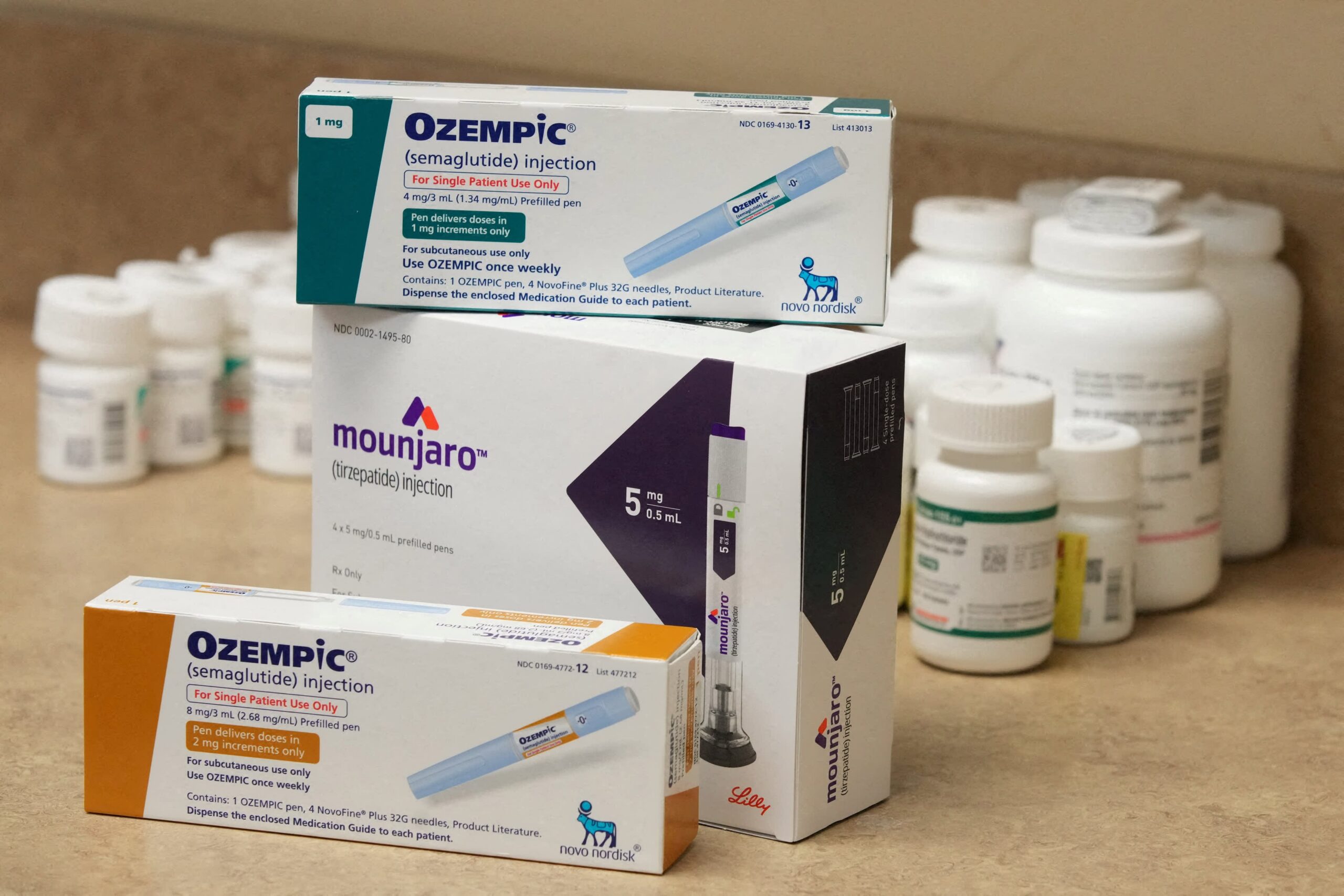
Where can I buy GLP-1 pills? This is the question currently flooding my inbox and search engines alike, usually from people who have spent years struggling with the scale and are finally looking for a medical solution that actually works. If you are reading this, you are likely staring at a prescription or a list of names like semaglutide or tirzepatide, wondering if you should head to your local corner chemist, wait for a delivery from an online giant, or hunt for a specialized telehealth service that promises something different.

The reality is that the way we acquire weight loss medication has changed more in the last twenty-four months than it did in the previous twenty years. It is no longer just about walking into a pharmacy and asking for a refill. There is a whole ecosystem of digital platforms, direct-to-consumer models, and traditional brick-and-mortar options that all offer very different prices, delivery speeds, and levels of medical oversight.

You might be feeling overwhelmed by the sheer volume of options. Between the celebrity endorsements and the social media hype, it is hard to tell what is a legitimate medical pathway and what is just a clever marketing funnel designed to sell you a subscription. You need to know how to navigate this without getting burned by high costs or, worse, unreliable sources.

Sorting Through Your Prescription Options

Before you even look for a pharmacy, you need to know what kind of medication you are actually looking for. Not all weight loss drugs are built the same way, and the “popular” ones you hear about in the news are often part of a specific class of drugs called GLP-1 agonists. These work by mimicking hormones in your body to signal to your brain that you are full, which changes your relationship with food on a biological level.

You will see names like semaglutide (often sold as Wegovy) and tirzepatide (sold as Zepbound) appearing everywhere lately. These are the heavy hitters. But they aren’t the only tools in the medical toolbox. If you are looking for something different, you might be looking at older, more traditional medications like phentermine or even Orlistat.

Medication Class Common Brand Names How It Works
GLP-1 Agonists Wegovy, Zepbound, Saxenda Mimics satiety hormones to reduce appetite.
Stimulants Phentermine Suppresses appetite via the central nervous system.
Lipase Inhibitors Xenical (Orlistat), Alli Prevents the body from absorbing some fat.
Combination Therapy Qsymia Combines phentermine and topiramate.

But don’t assume that the most expensive option is always the best one for your specific biology. Some people find that a simple Orlistat regimen helps them drop about 5 to 10 pounds without the intense nausea sometimes associated with the newer injectable drugs. You have to match the chemistry to your lifestyle.

And if you are looking for alternatives because the big brands are out of stock or too expensive, you might find success with other FDA-approved options. There are 7 FDA-approved weight loss medications that work in different ways, including those that combine drugs like naltrexone and bupropion. You have to be honest with yourself about whether you want a “lifestyle” aid or a heavy-duty medical intervention.

Navigating the Digital Pharmacy Maze

Once you have a prescription, the next step is deciding where it actually goes. You have several paths you can take, and each one has its own set of rules regarding insurance and shipping. The traditional way is to send your script to a local pharmacy, but for many, the “big players” in the digital space are becoming much more attractive because they integrate the doctor’s visit and the medication into one single workflow.

For example, if you use a service like Weight Watchers, they have established partnerships to make things easier. They work with Amazon Pharmacy, CenterWell Pharmacy, and Lilly Direct to ensure their members can actually get the medications they are prescribed without playing phone tag with a local pharmacist. This is a huge shift in how we handle healthcare logistics.

The steps to getting your medication online generally look like this:

  1. The Consultation: You will likely start with a telehealth appointment. This isn’t just a form you fill out; it’s a real conversation with a provider to ensure the medication is safe for your heart and your metabolic health.
  2. The Prescription: If the provider agrees, they send a digital prescription directly to a pharmacy. You don’t usually get a paper slip to carry around anymore.
  3. Insurance Verification: You’ll provide your insurance info. This is where things get tricky. Some insurers cover these drugs, while others treat them as “lifestyle” drugs and refuse to pay a dime.
  4. Shipping and Delivery: Most modern services ship your medication in temperature-controlled packaging, which is vital if you are dealing with injectables that need to stay cool.

If you are worried about the price tag, you aren’t alone. Many people find that the sticker shock at the pharmacy counter is the biggest barrier to treatment. It is worth checking if you can buy prescription weight loss medication through platforms that offer significant discounts or coupons, sometimes bringing the cost down significantly from the retail price.

If you are working with a specific doctor, like Dr. Herrmann Süßen, you might find that they have a preferred way of handling your prescriptions to ensure they are filled correctly and quickly. Having a direct line to your medical professional makes the whole process feel much less like a transaction and much more like actual healthcare.

What to Expect Once You Start

It is a mistake to think that the medication does all the heavy lifting. If you expect to wake up tomorrow and see a different number on the scale without changing a single other habit, you are going to be disappointed and potentially frustrated. The medicine is a tool, not a magic wand. It makes the “hard part”—the constant mental chatter about food, much quieter.

You might experience some side effects in the first few weeks. For the GLP-1 class, nausea is the most common complaint. You might feel a bit of a “tummy flutter” or a lack of interest in food that feels slightly unnatural at first. This is usually your body adjusting to the new hormonal signals. It doesn’t mean the drug isn’t working; it means it is working.

But you should also prepare for the psychological shift. When you aren’t fighting the urge to snack every two hours, you have to decide what to do with that extra mental energy. Some people find it’s a great time to start a new hobby, while others find the sudden lack of “food noise” leaves a void. You need a plan for your lifestyle, not just a plan for your plate.

It is also important to realize that weight loss is rarely a straight line down. You will have weeks where the scale stays stagnant despite your best efforts. This is often due to water retention or hormonal fluctuations. Don’t panic and don’t stop taking your medication because of a single plateau.

When to Call Your Doctor Immediately

While these medications are generally safe for the vast majority of people who are prescribed them, you must be vigilant about how your body responds. There is a difference between “uncomfortable” and “dangerous,” and you need to know the line. Most side effects are digestive, but there are certain red flags that require immediate medical attention.

If you experience severe abdominal pain that feels like it is radiating to your back, that could be a sign of pancreatitis, a rare but serious side effect. If you notice a sudden change in your bowel habits that persists, or if you experience severe vomiting that prevents you from keeping fluids down, do not wait. Call your doctor or head to an urgent care center.

You should also watch for:

  • Extreme fatigue or unusual weakness.
  • Dizziness or lightheadedness when standing up quickly.
  • Pain or swelling in the upper abdomen.
  • Signs of an allergic reaction, like hives or swelling of the face.

If you are using a combination medication like Qsymia, which contains phentermine and topiramate, you need to be particularly mindful of your hydration and your mood. If you feel an unusual sense of anxiety or a racing heartbeat, that is your cue to pause and talk to your physician before continuing the regimen.

The journey toward a healthier weight is deeply personal and often quite complex.

The Shifting Geometry of the Modern Pharmacy

57 years of community presence is a long time to watch a neighborhood change. We see it in the storefronts that rise and fall, the changing demographics on the corner, and the way people interact with their local providers. It is a stretch of time that spans generations, moving from paper prescriptions to digital apps.

The pharmacy isn’t just a place to pick up a bottle of pills anymore. It has become a complicated node in a massive logistics network. We find ourselves asking if the local shop can keep up with the speed of the digital world.

The way we access healthcare is changing under our feet. Some people want to walk into a shop and chat. Others want everything delivered to their doorstep before they even realize they are low on a vitamin. It is a strange, bifurcated reality.

The Convenience Paradox

Efficiency is the primary driver for most people today. We want our medicine without the social friction of a crowded waiting room. This has led to a significant rise in curbside services.

Many people think pharmacies only handle prescriptions. That is a narrow view. You can often find vitamins, personal care items, and various health supplies through these quick pickup methods. It makes the trip much faster.

Curbside pickup at pharmacies is safe, fast, and easy for those who want to avoid the interior of the store. It removes the need for long lines or face-to-face interaction when someone is feeling unwell.

But speed can sometimes come at the cost of the personal touch. There is a tension between the “instant” nature of modern tech and the “care” aspect of traditional pharmacy. We see this tension every day.

Digital-first models are gaining ground. Companies like Capsule are changing how we think about the “pharmacy trip.” They offer same-day delivery and even custom compounding. They have built an entire system around the idea that the pharmacy should come to you, not the other way around.

This model integrates insurance and refill coordination into a single digital interface. It removes the headache of calling three different places to see if a drug is in stock. It is a highly streamlined approach to wellness.

Capsule is a prime example of this shift. They focus on making the process nearly invisible. You order, and it arrives.

It works well for the busy professional. It works well for the elderly who cannot drive. However, it leaves us wondering if the human connection is being lost in the transition.

Beyond the Prescription Bottle

People often overlook the sheer variety of things sitting on a pharmacy shelf. If you walk into a full-service apothecary, the selection is massive. It isn’t just about the medicine.

We see a huge range of items:

  • Over-the-counter (OTC) medications for common ailments.
  • Daily vitamins and dietary supplements.
  • Specialized skincare and dermatological products.
  • First aid supplies and wound care.
  • Medical equipment like blood pressure monitors.

The variety of over the counter (OTC) products available can be overwhelming. Sometimes you need a specific recommendation that a website won’t give you. A pharmacist can look you in the eye and tell you if a supplement will react with your current pills.

Local shops often try to fill every niche. They want to be the one-stop shop for the neighborhood. This is why you see them stocking everything from cough syrup to specialized bandages.

And it matters. Having a reliable source for a sudden fever or an allergy flare-up is vital. You don’t always have time to wait for a delivery driver.

Sometimes, the most important thing a pharmacy provides is its presence. It is the knowledge that someone is there when the local grocery store is out of stock. It is the comfort of a familiar face during a stressful health moment.

The complexity of these inventories is growing. Managing thousands of distinct SKUs requires sophisticated software. It is a logistics nightmare hidden behind a friendly counter.

The Business of Moving Medicine

The pharmacy industry is not just about retail. There is a massive, invisible layer of commerce happening behind the scenes. This is where the real power moves are made.

When a pharmacy owner decides to retire, it isn’t a simple real estate transaction. There is a whole process of transition. It involves pre-planning, finding a buyer, and managing the transfer of licenses and patient records.

Cardinal Health Pharmacy Transition Services provides a roadmap for these complex sales and buyouts. They help manage the closing of a business to ensure patient care is not interrupted.

It is a high-stakes environment. One mistake in the transfer of data can cause a massive disruption in how patients receive their medications.

Regulatory oversight is another huge factor. The government keeps a very close eye on how these businesses operate. They want to ensure that competition is fair and that patients aren’t being exploited.

The Federal Trade Commission (FTC) monitors actions involving health care services and products. They look for unfair practices that could limit access or drive up costs.

Compliance is a constant struggle for independent owners. The rules change frequently. Staying on the right side of the law requires a dedicated team or a very expensive consultant.

It is a heavy burden. Small shops must balance being a community pillar with being a strictly regulated medical facility. They are essentially running a retail store and a mini-hospital at the same time.

The Future of Personal Care

We are moving toward a world where pharmacy is more personalized than ever. Custom compounding is a great example of this. It allows for medication to be tailored to a specific person’s needs.

Not everyone can swallow a large pill. Not everyone can tolerate a specific filler in a generic tablet. Compounding solves these problems by creating a bespoke dose.

It is a return to the roots of pharmacy, but with modern technology. It is the old way of making medicine met with new chemical precision.

Technology will continue to blur the lines. We might see more wearable tech that sends data directly to a pharmacist’s dashboard. We might see more automated dispensers in our own homes.

The core mission remains the same. We need medicine, and we need it to work. Whether it comes from a high-tech app or a small-town counter, the goal is health.

The digital and the physical are merging. You might order online, but you’ll still want to talk to a human when the dose feels wrong.

The pace of change is fast. It is hard to say exactly what the pharmacy of 2040 looks like.

Everything is changing.

pharmacieduparc-blagnac.com covers this in more detail.

De ce tot ce auziți despre vitamine e o minť de tip „rețetă”

Sincer să fiu direct, majoritatea oamenilor care cumpără suplimente de la supermarket sunt, de fapt, bani irosiți pe orice altceva în afară de sănătate. Există ideea că, dacă bei o capsulă cu zece minerale, devii automat imbatabil, indiferent cât de prost mănânci sau cât de puțin dormi. Nu e așa. Vitaminele nu sunt magii; sunt doar piese de puzzle care funcționează doar dacă restul imaginii este complet.

Nu vreau să vă demotivez, ci doar să arăt realitatea de pe etichetele colorate. Mulți oameni caută soluția pentru oboseală în capsule, când problema lor reală este lipsa somnului sau un deficit de fier pe care nicio vitamină generică de la supermarket nu îl va corecta. Dacă vrei să îți ai grijă de corp, trebuie să înțelegi ce cauți de fapt și de unde vine valoarea reală a unui produs.

E o diferență uriașă între a cumpăra „ceva care să te ajute” și a lua un produs cu o formulă justificată științific. Dacă alegi la întâmplare, probabil vei lua doar un amestec scump de zahăr și minerale în cantități care nici nu se absorb în corp. E un joc de marketing, nu de biologie, dacă nu știi ce citești pe spate.

Nu tot ce e natural e neapărat de calitate

Terminologia de pe ambalaj te poate induce în eroare. Toți vor să pară „naturale”, dar natura nu înseamnă întotdeauna eficiență în farmacologie. Un supliment poate fi derivat din plante, dar procesul de extragere îi poate distruge proprietățile active. De aceea, uită-te la sursa ingredientelor.

De exemplu, dacă te uiți la ce înseamnă, de fapt, un set complet, suplimente alimentare însemnă vitamine, minerale, plante și preparate din plante, aminoacizi sau enzime. Nu e doar o listă de ingrediente, ci un ecosistem de substanțe care trebuie să lucreze împreună. Dacă cumperi doar vitamine, riști să ignori enzimele care ar trebui să te ajute să le absozi.

Unele companii au investit mult în cercetare pentru a asigura biodisponibilitatea. Nu e suficient să ai vitamina C în compoziție; trebuie să fie într-o formă pe care intestinul tău să o recunoască și să o trimită în sânge. Dacă producătorii doar amestecă pudră într-o capsulă fără să studieze absorbția, atunci produsul e doar decorativ.

Totuși, nu totul e pierdut. Există producători care înțeleg medicina integrativă. Unii se concentrează pe produse care combină abordarea farmacologică cu cea naturală, încercând să închidă golurile lăsate de stilul de viaț modern. Aceasta este direcția în care ar trebui să mergem: spre produse care nu doar „ocupă” un loc în corpul nostru, ci care contribuie la echilibru.

Un alt aspect pe care mulți îl ignoră este calitatea ingredientelor de bază. Dacă vrei să îți verifici sănătatea nu doar prin suplimente, ci și prin restul proceselor de diagnostic, ar trebui să fii atent la orice consult medical. Chiar și la verificarea unei vedere, de exemplu, mergi la un specialist precum Optica-Med pentru a te asigura că diagnosticul este precis înainte de a presupune că oboseala ta vine doar din lipsa de vitamine.

Cum alegi între branduri fără să te pierzi în reclame

Piața e inundată de opțiuni. Dacă intri pe un site de profil, vezi sute de variante. Cum decizi? Încearcă să te uiți la companiile care au o filozofie clară de producție. De exemplu, există companii care se concentrează strict pe medicina integrativă, oferind atât suplimente, cât și cosmetice naturale, crezând că sănătatea este un întreg. Secom este un exemplu de companie românească lider în acest domeniu de medicină integrativă, oferind o gamă variată de soluții naturale.

Apoi ai producătorii care pun accent pe inovație. Nu e suficient să replici formulele de acum 20 de ani. Sunt companii, precum Sun Wave Pharma, care se concentrează pe dezvoltarea de produse inovatoare pe bază de ingrediente din sursă naturală, cu scopul de a îmbunătăți calitatea vieții prin ingrediente de înaltă calitate. Acestea merită atenția ta, pentru că înțeleg că tehnologia poate ajuta natura să fie mai eficientă.

Iată o scurtă comparație a tipului de abordare pe care o poți întâlni în farmacii:

Tip produs/Brand Abordare principală Ideal pentru…
Suplimente Generice Preț scăzut, vitamine de bază Menținere zilnică (dacă dieta e bună)
Medicină Integrativă Abordare holistică, produse complexe Persoane cu nevoi specifice de echilibrare
Produse de Sursă Naturală Inovatoare Ingrediente de înaltă calitate, tehnologie Cine caută performanță și absorbție maximă

Dacă ești în căutarea unor vitamine care să acopere nevoile întregii familii, poți găsi gama de produse Pharma-Z, care se concentrează pe calitatea înaltă pentru întreaga familie. Fie că vorbim de copii în perioada de creștere sau de vârstnici, calitatea materiei prime e singurul lucru care contează la finalul zilei.

Comandă online: unde pierzi banii și unde economisești

Aici intervine partea practică. Cineva te va întreba: „Care este cea mai ieftină farmacie online?”. Răspunsul scurt? Nu există una singură, dar există strategii de cumpărare. Dacă mergi direct la cel mai ieftin site, s-ar putea să găsești produse care au expirat sau care sunt stocate în condiții neadecvate. Prețul nu e totul.

Dacă vrei să economisești, poți descoperi cum să comanzi medicamente și suplimente de calitate la preț redus, direct de acasă, consultând ghidurile de pe Liki24. Ideea e să găsești echilibrul între prețul de pe raft și siguranța că produsul este autentic. Nu cumpăra niciodată suplimente de la surse necunoscute pe rețele de socializare, chiar dacă par tentante.

O altă opțiune este comoditatea. Uneori, e mult mai simplu să primești totul într-o singură livrare. Pe site-uri precum Pe Plusfarma, poți găsi mii de produse pentru sănătate, îngrijire și frumusețe, pe care le poți comanda simplu, direct de acasă. E o soluție pentru cei care nu au timp să caute prin toate farmacile fizice din oraș.

  • Verifică întotdeauna dacă site-ul are certificare de la ANPC.
  • Compară prețul pe o listă de produse, nu pe un singur produs.
  • Citește recenziile pentru produsele de suplimentare, nu doar pentru farmacie.
  • Alege livrarea la domiciliu dacă ai nevoie de produse care necesită un anumit regim de păstrare.

Întrebarea care rămâne mereu în fundul minții orui consumator este: „Care este cea mai bună firmă de produse naturiste?”. Nu există un răspuns universal, pentru că depinde de ce ai nevoie. Dacă ai nevoie de ceva pentru imunitate, poate o firmă de plante e mai bună; dacă ai nevoie de ceva pentru regenerarea articulațiilor, ai nevoie de o companie care investește în cercetarea aminoacizilor.

Nu uita că și transportul contează. Dacă ești în afara țării, întrebarea „care este cea mai bună farmacie online cu livrare în străinătate” devine critică. Unele platforme sunt optimizate pentru logistică internațională, ceea ce înseamnă că vei primi produsele fără să le pierzi pe drum la vamă sau în procese de tranzit infinite.

Cum să nu fii „victimă” în procesul de optimizare a sănătății

Sănătatea nu se face printr-o singură pastilă. Dacă iei vitamine, dar mănânci procesat și stai 10 ore pe scaun, e ca și cum ai încerca să repari o casă cu bandă adezivă în timp ce un buldozer o dărâmă. Suplimentele sunt doar un ajutor, nu o scuti de responsabilitate față de propria dietă.

Trebuie să fii critic. Dacă un produs promite că te ajută să slabești cu 10 kilouri în o săptămână, fugi. Dacă un supliment pretinde că îți vindecă orice boală, fugi și mai repede. Corpul uman e un sistem complex, iar soluțiile magice nu există în biologie. Există doar nutrienți care ajută procesele biologice să se desfășoare normal.

În loc să cauți „cele mai bune vitamine” într-o listă de top de pe Google, care probabil e scrisă de cineva care nu a văzut o pilulă în viața lui, întreabă medicul tău. Analizele de sânge sunt singura ta carte de cheie. Dacă ai carență de magneziu, nu căuta „multivitamine de lux”, caută magneziu de calitate, într-o formă care să nu îți distrugă stomacul.

În final, procesul de a-ți îngriji sănătatea este unul de selecție, nu de acumulare. Nu cumpăra tot ce vezi doar pentru că e la reducere. Cumpără ce ai nevoie, de la producători care înțeleg că ești un om, nu doar un client. Sănătatea este o maratonă, nu un sprint de 100 de metri.

Warum Sie Ihre Gesundheit nicht dem Zufall überlassen sollten

Wer denkt, eine Apotheke sei nur ein Laden für Schachteln mit Kopfschmerztabletten oder Schnupfensaft, der irrt sich gewaltig. In Wahrheit ist eine Apotheke eher ein hochspezialisiertes Logistikzentrum für Ihre Gesundheit. Wer das nicht versteht, wird im Ernstfall merken, dass die bloße Verfügbarkeit von Pillen wenig bringt, wenn am Tresen die Kompetenz fehlt.

In einer Zeit, in der man fast alles per Mausklick bestellen kann, wirken lokale Läden oft wie Relikte aus der Vergangenheit. Aber das Gegenteil ist der Fall. Die Nähe zu einem Experten, der Sie vielleicht sogar persönlich kennt, ist die einzige Versicherung gegen Fehlberatungen durch anonyme Algorithmen. Ein Algorithmus ist zwar schnell, hat aber keine Ahnung, wie sich eine echte Entzündung anfühlt.

Wenn Sie in Naunhof leben, haben Sie die Wahl zwischen verschiedenen Wegen. Es gibt die digitale Schiene für die Schnelligkeit und den klassischen Beratungstermin für die alte Schule. Beides hat seine Daseinsberechtigung, bedient aber völlig unterschiedliche Bedürfnisse in einem stressigen Alltag.

Die digitale Falle und die App-Lösung

Die moderne Welt verlangt nach Effizienz, und das gilt auch für die Pharmazie. Wer keine Lust hat, im Winter in einer Warteschlange zu stehen, greift zur Technik. Die Löwen Apotheke Naunhof App ist da ein gutes Beispiel für den Versuch, Tradition und Technik zu verbinden, indem sie Rezepte und Medikamente online verfügbar macht.

Das klingt verlockend: Man tippt im Bus auf dem Smartphone herum und kurz darauf ist alles bereit. Aber Vorsicht. Digitalisierung bedeutet nicht automatisch, dass die Qualität der Beratung mitzieht. Ein Algorithmus kann Ihre Daten verwalten, aber er wird Sie nicht fragen, ob Sie vielleicht auch ein Vitaminpräparat brauchen, weil Sie in letzter Zeit so blass aussehen.

Wenn Sie den digitalen Weg gehen, sollten Sie die Vorzüge der Löwen Apotheke in der Kurzen Straße 4 kennen. Hier wird versucht, den Prozess so schlank wie möglich zu halten. Sie können sich beispielsweise per E-Mail unter bestellung@loewen-apotheke-naunhof.de direkt mit dem Team abstimmen, etwas, das eine reine App allein oft nicht leisten kann.

Trotzdem bleibt ein Restrisiko bei der rein digitalen Abwicklung. Wer nur noch blind bestellt, riskiert, dass Wechselwirkungen übersehen werden, die ein einfaches Gespräch gelöst hätte. Effizienz ist gut, aber Sicherheit ist besser. Ein Medikament ist schließlich kein Gadget, das man einfach austauscht, wenn die Software nicht funktioniert.

  • Vorteil: Zeitersparnis bei Standardmedikamenten.
  • Nachteil: Eingeschränkte persönliche Diagnose durch das Gegenüber.
  • Hybrid-Modell: Online bestellen, vor Ort abholen, die kluge Mitte.

Beratung als Luxusgut oder Grundrecht?

Dann ist da noch die Engel Apotheke, die einen ganz anderen Weg geht. Während andere versuchen, die Zeit am Tresen zu minimieren, scheint hier das Gespräch im Mittelpunkt zu stehen. Man kann sich dort sogar einen persönlichen Beratungstermin sichern. Das wirkt in der heutigen Zeit fast wie ein exklusiver Service, ist aber eigentlich eine Reaktion auf die immer komplexer werdende Medikation.

Ein Telefonat unter 0800 1133399 oder 034293 29364 kann oft mehr bewirken als zwei Stunden mühsame Recherche im Internet. Manchmal braucht man einfach jemanden, der sagt: „Nehmen Sie das nicht mit dem Kaffee, sonst wirkt es nicht.“ Solche Details entscheiden darüber, ob eine Behandlung funktioniert oder Geld verschwendet wird.

Ein Blick in die sozialen Medien zeigt, dass die Engel Apotheke einen sehr menschlichen, nachbarschaftlichen Touch hat. Sie feiern zum Beispiel den Start der Schulanfänger, ein Thema, das in Naunhof sicher für Gesprächsstoff sorgt. Das ist lokale Identität, die man nicht programmieren kann.

Wer es sehr genau nimmt, findet im Online-Shop der Engel Apotheke zudem klare Regeln. Wenn Ihnen etwas nicht passt, ist das Thema Widerruf klar geregelt, was bei medizinischen Produkten ohnehin ein sensibles Thema ist. Transparenz schafft Vertrauen, und das ist in der Apotheke die härteste Währung überhaupt. Wenn die Vertragsbedingungen klar sind, fühlt man sich beim Kauf sicherer.

Man kann sich natürlich auch einfach zu sternen-apotheke-naunhof.de begeben, wenn Ihnen die anderen nicht passen. Am Ende geht es darum, wo man sich verstanden fühlt, wenn der Körper mal wieder streikt.

Die Logistik der Gesundheit in Naunhof

Schauen wir uns die harten Fakten an. Wenn Sie in der Kurze Straße 4 unterwegs sind, finden Sie die Löwen Apotheke. Die Öffnungszeiten sind hier ein entscheidender Punkt für den Alltag. Sehen wir mal, ob die Zeiten zu Ihrem Lebensstil passen.

Apotheke Standort / Bereich Besonderheit
Löwen Apotheke Kurze Straße 4 Digitaler Fokus (App)
Engel Apotheke Naunhof (Zentrum) Fokus auf Beratung

Die Löwen Apotheke hat von Montag bis Mittwoch bis 18:30 Uhr geöffnet. Für Pendler, die erst nach der Arbeit an ihre Medikamente denken, kann das ein wichtiger Zeitpuffer sein. Wenn man nach einem langen Tag endlich nur noch schnell eine Packung Pflaster braucht, ist jede halbe Stunde Gold wert. Niemand will vor verschlossenen Türen stehen.

Auch die räumliche Lage spielt eine Rolle. Es gibt Apotheken, die nah beieinander liegen, und solche, die man eher als Spezialisten bezeichnen könnte. Wer zum Beispiel im Pösnapark ist, merkt schnell, dass die Wege oft länger sind als gedacht. Man fährt nicht für jedes kleine Pflaster 6,57 km, ohne dass der Blutdruck steigt.

Es ist ein ständiger Spagat zwischen Verfügbarkeit und Fachwissen. Die Apotheken müssen die Nachfrage nach schnellen Lösungen mit der nötigen Sorgfalt unter einen Hut bringen. In der Praxis bedeutet das oft, dass das Personal unter hohem Druck arbeitet, während Kunden eine sofortige Antwort erwarten.

Der Faktor Mensch gegenüber der Maschine

Warum ist das alles so wichtig? Nehmen wir ein Beispiel: Sie haben seit drei Tagen ein stechendes Gefühl im Knie. Vielleicht ist es nur eine Reizung, vielleicht etwas Ernsthafteres. Sie wollen nicht direkt zum Arzt, der Sie vielleicht nur mit Ibuprofen abspeist, was das Problem nur überdeckt. Ein Apotheker in Naunhof kann Ihnen vielleicht sagen, dass Sie eher eine Kniebandage brauchen oder die Salbe anders auftragen müssen. Eine App würde Ihnen höchstens ein Video zeigen, das Sie ohnehin schon zehnmal gesehen haben.

Diese feinen Unterschiede sind der Grund, warum Apotheken vor Ort nicht verschwinden werden, egal wie gut Apps werden. Expertise ist Erfahrungswissen, das man nicht einfach in Code gießen kann. Es ist das Wissen aus tausenden Gesprächen und die Fähigkeit, zwischen einem banalen Infekt und einem ernsthaften Warnsignal zu unterscheiden.

Man muss die Professionalität nicht übertreiben, aber man sollte sie nicht unterschätzen. Wer glaubt, er könne seine komplette Gesundheit über einen Warenkorb regeln, unterschätzt die Komplexität des menschlichen Körpers. Ein Medikament ist keine Software, die man nach einem Update einfach installiert, sondern eine chemische Substanz, die in einem komplexen System wirkt.

Die Wahl der Apotheke in Naunhof ist also keine reine Geschmacksfrage, sondern eine Entscheidung darüber, wie viel Sicherheit Sie wollen. Möchten Sie die Bequemlichkeit der digitalen Welt oder das Gespräch von jemandem, der wirklich da ist?

Was Sie jetzt tun sollten

Checken Sie mal Ihre Vorräte. Ist noch genug von dem da, was Sie regelmäßig brauchen? Wenn nicht, nutzen Sie die digitale Welt, aber bereiten Sie sich auf das Gespräch vor. Ein kurzer Anruf spart oft Zeit und Frust. Technik sollte ein Werkzeug sein, kein Ersatz für den gesunden Verstand.

Gehen Sie morgen vielleicht einfach mal vorbei. Schauen Sie, ob die Atmosphäre in der Engel Apotheke oder der Löwen Apotheke besser zu Ihnen passt. Manchmal findet man seine Apotheke erst, wenn man sie wirklich braucht, aber es schadet nicht, die Wege vorher zu kennen.

Die Apotheken in Naunhof werden sich weiterentwickeln, aber der Kern bleibt gleich: Ihr Wohlbefinden hängt von der Qualität der Information ab, die Sie erhalten.

Häufige Fragen

Wo finde ich eine Apotheke in Naunhof?

In Naunhof finden Sie Apotheken direkt im Stadtzentrum, die Sie über gängige Karten-Apps oder die lokale Branchenverzeichnis-Suche erreichen können.

Haben Apotheken in Naunhof auch am Sonntag geöffnet?

Reguläre Öffnungszeiten gelten von Montag bis Samstag; für Notdienste am Sonntag oder an Feiertagen nutzen Sie bitte den Notdienstplan.

Kann ich in der Naunhof Apotheke Rezepte einlösen?

Ja, alle Apotheken in Naunhof akzeptieren sowohl Kassenrezepte als auch Privatrezepte sowie E-Rezepte.

Gibt es in Naunhof Apotheken mit Rezept-Lieferservice?

Viele Apotheken vor Ort bieten einen Lieferdienst für Medikamente an, um die Versorgung zu Hause zu erleichtern.

Sind in Naunhof auch Apotheken mit Rezept-Reiseapotheken oder Reiseberatung verfügbar?

Ja, die Apotheken in Naunhof beraten Sie gerne zu Reiseapotheken und stellen Ihnen die passende Reiseapotheke zusammen.

La realidad sin filtros de la terapia antiviral: de la gripe al virus del herpes

En 2024, la gestión de la COVID-19 ha dado un giro radical. Ya no nos limitamos a esperar a que el paciente colapse en urgencias; ahora la prioridad es la intervención temprana con antivirales fuera del hospital para aquellos con riesgo de cuadros graves, siguiendo las directrices del Ministerio de Salud de la República de Panamá.

Entender los antivirales va más allá de saberse los nombres de los fármacos de memoria. Se trata de comprender cómo una molécula pequeña puede frenar a un virus que, de lo contrario, se apoderaría de todo tu sistema respiratorio. En el fondo, la farmacología aquí es una pelea constante entre la evolución viral y la precisión de la química.

Pero no todos los virus se comportan igual. No puedes atacar un herpes simple con la misma lógica que intentas frenar una influenza estacional o un virus de la hepatitis. Cada familia tiene sus propios puntos débiles y formas de entrar o salir de la célula. Si tratas de usar la misma estrategia para todo, solo vas a perder tiempo y dinero.

En este análisis vamos a ver qué tenemos realmente en el arsenal médico hoy. Sin adornos. Vamos a ver qué funciona en la práctica clínica y dónde se quedan cortos los tratamientos actuales contra los patógenos virales.

El arsenal contra los herpes y la varicela

El herpes simple y la varicela zoster son los clásicos de la virología. Son virus persistentes y su capacidad de permanecer latentes puede volver loco a cualquier clínico. El objetivo aquí es interrumpir la síntesis del ADN viral antes de que la replicación se descontrole. Para eso usamos fármacos que atacan directamente la polimerasa viral.

La forma en que actúan estos agentes es muy específica. No buscan matar la célula, sino sabotear la maquinaria con la que el virus hace sus copias. Si el virus no puede replicar su material genético, la infección se mantiene bajo control o dura mucho menos tiempo. Esto es vital, sobre todo en pacientes inmunocomprometidos que no tienen defensas naturales para contener el virus.

La elección del fármaco depende de qué tan grave sea el caso y qué zona esté afectada. Por ejemplo, un tratamiento mal administrado en un herpes ocular puede dejar secuelas permanentes en la visión. Por eso, antes de recetar, lo primero es decidir si se necesita un antiviral tópico o uno sistémico.

El enfoque moderno no es solo curar, sino evitar que el virus se propague. En la varicela zoster, se busca que no se extienda a otros órganos ni cause problemas neurológicos. Es una carrera contra el reloj que empieza en cuanto el virus se despierta de su estado latente.

La guerra contra la influenza y sus variantes

La gripe no es solo un malestar pasajero; es un blanco que cambia constantemente. Por eso, el uso de amantadina, oseltamivir o zanamivir siempre genera debate en pediatría y medicina general. No todos sirven para lo mismo ni en la misma etapa de la enfermedad.

Usar estos medicamentos para prevenir la gripe es un tema delicado. No se trata de recetar antivirales “por si acaso”. Como se explica en investigaciones sobre la profilaxis de la gripe, la eficacia depende totalmente de qué tan rápido se administre el fármaco después de que aparecen los síntomas.

Muchos médicos cometen el error de recetar oseltamivir cuando ya es demasiado tarde. Si el virus ya colonizó las células del epitelio respiratorio, el medicamento tiene poco que hacer. El timing es todo. Si llegas tarde, solo estarás recetando un fármaco caro para calmar la ansiedad del paciente.

Luego está el problema de la resistencia. La amantadina, por ejemplo, ha perdido terreno porque muchos virus de la influenza ya aprendieron a ignorar su acción. Esto nos obliga a ser más selectivos y a saber distinguir entre un inhibidor de la neuraminidasa y un bloqueador de la proteína M2.

Aquí tienes una comparativa rápida de lo que se usa contra la gripe:

  • Oseltamivir: Inhibidor de la neuraminidasa, es el más común para vía oral.
  • Zanamivir: Funciona de forma similar al oseltamivir, pero suele ser inhalatorio.
  • Amantadina: Actúa sobre la proteína M2, aunque su uso ha caído por la resistencia viral.

Estrategias para la hepatitis y otros virus crónicos

Cuando la infección se vuelve crónica, la estrategia cambia. Ya no buscamos una cura inmediata, sino un control sostenido para que el sistema inmune o los fármacos mantengan la carga viral en niveles indetectables. Es una guerra de desgaste.

La hepatitis C es el ejemplo perfecto. Antes, el tratamiento era un proceso brutal de meses con efectos secundarios muy pesados. Hoy la medicina ha avanzado hacia combinaciones más precisas y menos tóxicas, aunque no hay que engañarse: el tratamiento estándar para la infección crónica suele requerir combinaciones complejas.

En ciertos casos, la combinación de IFNP y ribavirina se ha establecido como un estándar clínico para atacar el virus desde varios ángulos. Esta politerapia es lo que permite que alguien con una infección crónica viva con normalidad sin que el virus destruya sus órganos poco a poco.

Pero aquí es donde la teoría choca con la realidad: la adherencia es el gran problema. Puedes tener el mejor cóctel de antivirales, pero si el paciente olvida las dosis o deja el tratamiento por los efectos secundarios, el virus aprende. Y un virus que aprende es mucho más difícil de combatir.

Para entender cómo se agrupan estos medicamentos según su objetivo, mira esta tabla:

Tipo de Virus Ejemplos de Fármacos Mecanismo Principal
Virus ADN (Herpes) Aciclovir, Valaciclovir Inhibición de la polimerasa
Virus ARN (Influenza) Oseltamivir, Zanamivir Inhibición de neuraminidasa
Hepatitis B/C Tenofovir, Sofosbuvir Interrupción de la transcriptasa inversa

La complejidad de la polifarmacia antiviral

No se puede hablar de antivirales sin mencionar a los inmunomoduladores. A veces el problema no es solo el virus, sino la respuesta del propio cuerpo. En casos como el COVID-19, la tormenta de citoquinas puede ser más letal que el virus mismo. Por eso, las guías actuales combinan antivirales con fármacos que regulan la respuesta inmune.

Esto hace que recetar sea un campo minado. Si el paciente ya toma algo para la hipertensión o la diabetes, un antiviral potente puede alterar sus niveles sanguíneos de otros medicamentos. La interacción medicamentosa no es una teoría; es algo que vemos a diario con pacientes que toman muchas pastillas.

Es fundamental que quien prescriba entienda no solo el mecanismo del antiviral, sino también cómo se procesa en el hígado y los riñones. No todos los riñones procesan el aciclovir igual, ni todos los hígados aguantan terapias largas para la hepatitis. Personalizar el tratamiento es la única forma de evitar una toxicidad innecesaria.

Si quieres ver la clasificación técnica de estos grupos, visita este sitio para ver cómo se estructuran en la clínica. Saber la diferencia entre un antivírico, un antibiótico y un antiparasitario es la base de cualquier tratamiento seguro.

Al final, la medicina antiviral es una ciencia de precisión que mezcla química con intuición clínica. No hay recetas mágicas, solo herramientas que sirven si se usan en el momento justo, en la dosis exacta y para el virus correcto. Si fallas en cualquiera de esos puntos, solo estás dando vueltas en círculo.

Preguntas frecuentes

¿Cuáles son los medicamentos antivirales más comunes?

Los más utilizados incluyen aciclovir, oseltamivir, ritonavir y zidovudina, empleados para tratar virus como el herpes, la influenza y el VIH.

¿Cuáles son los 10 antivirales más utilizados?

Entre los principales destacan aciclovir, valaciclovir, oseltamivir, zidovudina, lamivudina, emtricitabina, abacavir, entecavir, favipiravir y foscarnet.

¿Cuáles son algunos ejemplos de 20 medicamentos antivirales?

Incluyen fármacos como aciclovir, valaciclovir, oseltamivir, zidovudina, lamivudina, emtricitabina, abacavir, entecavir, favipiravir, foscarnet, ganciclovir, famciclovir, fexinidovir, sofosbuvir, dasunatabir, lopinavir, atazanavir, darunavir, raltegravir y dolutegravir.

¿Qué medicamentos antivirales se utilizan en perros?

En medicina veterinaria se usan antivirales específicos como el aciclovir para herpesvirus o el famciclovir, siempre bajo estricta supervisión médica.

¿Para qué sirven los medicamentos antivirales?

Se utilizan para inhibir la replicación de virus en el organismo, reduciendo la gravedad de la infección y la duración de los síntomas.