

The Science of Subcutaneous Volume: Navigating Modern Dermal Fillers

Dermal fillers and aesthetic medicine products

People don’t get dermal fillers for no reason. Everyone walking into a clinic is looking to fix something specific, whether it’s a hollow temple, a sagging jawline, or those deep nasolabial folds that show up as we get older. It’s easy to think of fillers as a quick fix for a single wrinkle, but it’s actually much more complicated than that. These injectable gels are medical tools meant to replace lost volume or add definition to the face.

When you book an appointment, you aren’t just buying a syringe; you’re choosing a chemical mechanism that’s going to interact with your biology. Some products sit on the surface to smooth a line, while others go deep into the tissue to provide a structural lift. Knowing the difference between the two is what separates a natural result from a look that feels “done.”

The technology has come a long way from the basic gels we saw a decade ago. Today, the market is split by how a product behaves once the needle is out of your skin. You basically choose between temporary hydration and long-term structural remodeling.

The Chemistry of Your Face: Three Main Categories

Not all fillers work the same way. Trying to treat a hollow cheek with a product meant for a lip crease is a mistake you’ll likely regret. To understand your options, you have to look at the three FDA-approved categories of materials that dominate the market. They are grouped by their molecular structure and how your body eventually processes them.

First, there is Hyaluronic Acid (HA). This is the most common type because HA is already a substance found naturally in your skin. When an injector uses an HA filler, they’re adding a highly concentrated, moisture-retaining gel to your tissue. It’s temporary, it’s reversible with an enzyme called hyaluronidase, and it provides immediate volume. If you want to fix a specific wrinkle or plump a lip, HA is the standard choice.

Second is Calcium Hydroxylapatite (CaHA). This is a different beast. Instead of just acting as a gel, it works as a scaffold. It provides immediate volume, but it also stimulates your own body to produce collagen. It’s a hybrid approach that offers instant gratification and long-term structural support. Because it’s more substantive, it’s often used for contouring the jawline or the mid-face.

Third, there are Polylactic Acid (PLLA) fillers. These aren’t “fillers” in the traditional sense of providing immediate volume. They are biostimulators. You won’t see a change the moment you leave the chair. Instead, you wait weeks or months as your body builds new collagen around the particles. It’s a slow, gradual process of skin thickening and lifting. 3 FDA-Approved Dermal Fillers: HA, CaHA & PLLA… shows how matching the right option to your goals requires understanding this timeline.

The choice comes down to whether you want to fill a hole or rebuild a foundation. You can’t rush PLLA, and you shouldn’t use a heavy CaHA for delicate fine lines around the eyes. Your injector needs to match the viscosity of the gel to the actual depth of the wrinkle.

Decoding the Leading Brands

The market is crowded with names that sound like they belong in a luxury skincare line. Juvederm, Restylane, Belotero, Radiesse, and Sculptra are the heavy hitters you’ll see on most clinic menus. Each brand uses different cross-linking technologies to control how quickly the product breaks down or how much “lift” it provides.

Juvéderm is probably the most recognizable HA option. It’s often the go-to for lip augmentations because it can be formulated to be incredibly soft, mimicking the natural feel of your lips. It’s versatile enough for everything from subtle smoothing to significant volume. If you want a result that feels soft to the touch, Juvéderm is a frequent candidate.

Restylane is another HA giant that offers a variety of textures. Some versions are designed to stay put in areas like the cheeks where you need structural support, while others are more fluid. Belotero is also a notable HA option that focuses on “micro-lifting” the skin, making it particularly effective for those shallow creases that make skin look crepey or weathered. It integrates into the tissue quite smoothly, which helps avoid the “lumpy” look some people fear.

Then there are the heavy lifters like Radiesse and Sculptra. Radiesse is the CaHA option mentioned earlier, and it’s excellent for those who want a more sculpted, “snatched” appearance. Sculptra is the PLLA option used for global facial rejuvenation. It’s less about “filling” and more about “restoring” the skin’s overall quality through collagen induction.

Brand Name Primary Type Best Use Case Main Benefit
Juvéderm Hyaluronic Acid Lips & fine lines Natural, soft feel
Restylane Hyaluronic Acid Cheeks & folds Versatile textures
Belotero Hyaluronic Acid Crepey skin Seamless integration
Radiesse CaHA Contouring Collagen stimulation
Sculptra PLLA Volume loss Long-term remodeling

Keep in mind that your choice of brand is only half the battle. The skill of the person holding the needle is the other half. Even the most expensive syringe of Juvéderm will look terrible if it’s placed in the wrong anatomical plane. You are paying for the injector’s eye as much as the product itself.

The Reality of Results and Risks

People often ask if they can have Botox and dermal fillers at the same time. The answer is yes, and in many cases, you should. Botox is a neurotoxin that freezes the muscle to stop wrinkles from forming, while fillers add volume to the space created by those moving muscles. They work on different layers. Using them together is a standard way to achieve a refreshed look without looking overdone.

But you have to go in with your eyes open regarding the risks. While most procedures are routine, they’re still medical interventions. Common side effects include bruising, swelling, and redness at the injection site. These usually clear up within a week. However, more serious complications can occur if the product is accidentally injected into a blood vessel. This is a rare but severe risk that requires an experienced professional to manage.

You should also be aware of “filler fatigue.” This happens when you keep adding more and more HA filler to the same area to keep up with aging, eventually leading to a face that looks heavy or overly inflated. This is why many modern practitioners are moving toward biostimulators like those from bavariapharma-distribution.ro/ to rebuild the skin’s natural architecture rather than just stacking more gel on top of old gel.

Common risks include:

  • Nodules: Small, hard lumps that form if the filler is placed too close to the surface.
  • Tyndall Effect: A bluish discoloration that happens when HA is injected too close to the skin surface.
  • Asymmetry: The natural tendency of the face to be uneven, which can be made worse by unevenly placed product.
  • Vascular Occlusion: The most serious risk, where product blocks a blood vessel, requiring immediate medical attention.

And never skip the consultation. A good injector will talk about your anatomy, your medical history, and what is actually realistic. If a provider promises you a “perfect” look without asking about your skin’s thickness or your lifestyle, walk away. You want a clinician, not a salesperson.

Matching Product to Anatomy

The “best” filler is entirely subjective to your specific facial structure. If you have very thin skin, like around the eyes, you need a very fine, soft filler. If you have thick, fatty tissue in the cheeks, you need something that can hold its shape under pressure. You can’t use the same tool for every job. The “one size fits all” approach to aesthetics is a myth that leads to dissatisfaction.

Think of your face as a 3D sculpture. When you age, you don’t just get wrinkles; you lose the underlying fat pads that give the face its youthful shape. You lose volume in your temples, cheeks hollow out, and your jawline loses its crispness. Some fillers are meant to address the surface lines, while others are meant to replace those deep, lost fat pads.

For example, if your main concern is a “hollow” look, you want a high-viscosity filler that provides lift. If you’re worried about a “crinkly” look on your lips, you want something that flows easily. If you want to fix a sagging jawline, you are likely looking at a combination of HA for immediate lift and a biostimulator like Sculptra to help tighten the skin’s foundation over time.

The goal of aesthetic medicine is to look like a refreshed version of yourself, not a different person. The best results are the ones that no one notices, but everyone thinks makes you look well-rested. It’s an art of subtle adjustments and an understanding of the complex science of human tissue.

You should always prioritize safety and expertise over the lowest price. The complexity of facial anatomy means the person performing the procedure must have an intimate understanding of how different fillers interact with your specific muscles and bones. Choose a practitioner who values long-term skin health over quick, repetitive injections.

A few things readers ask

How are dermal fillers different from Botox?

Botox is a neurotoxin used to relax muscles and reduce wrinkles, while dermal fillers add volume to restore lost fat or smooth deep lines.

Can you have Botox and dermal fillers at the same time?

Yes, many patients receive both in a single session to address both dynamic wrinkles and volume loss simultaneously.

What is the best filler for my face?

The best filler depends on your specific anatomy and goals, such as adding volume to cheeks or smoothing nasolabial folds.

What is the best dermal filler brand?

The best brand depends on the injection area, with popular choices like Juvederm and Restylane being industry standards for various facial needs.

How long do dermal fillers last?

The longevity of fillers varies by product and area, typically lasting anywhere from six to eighteen months before needing a touch-up.
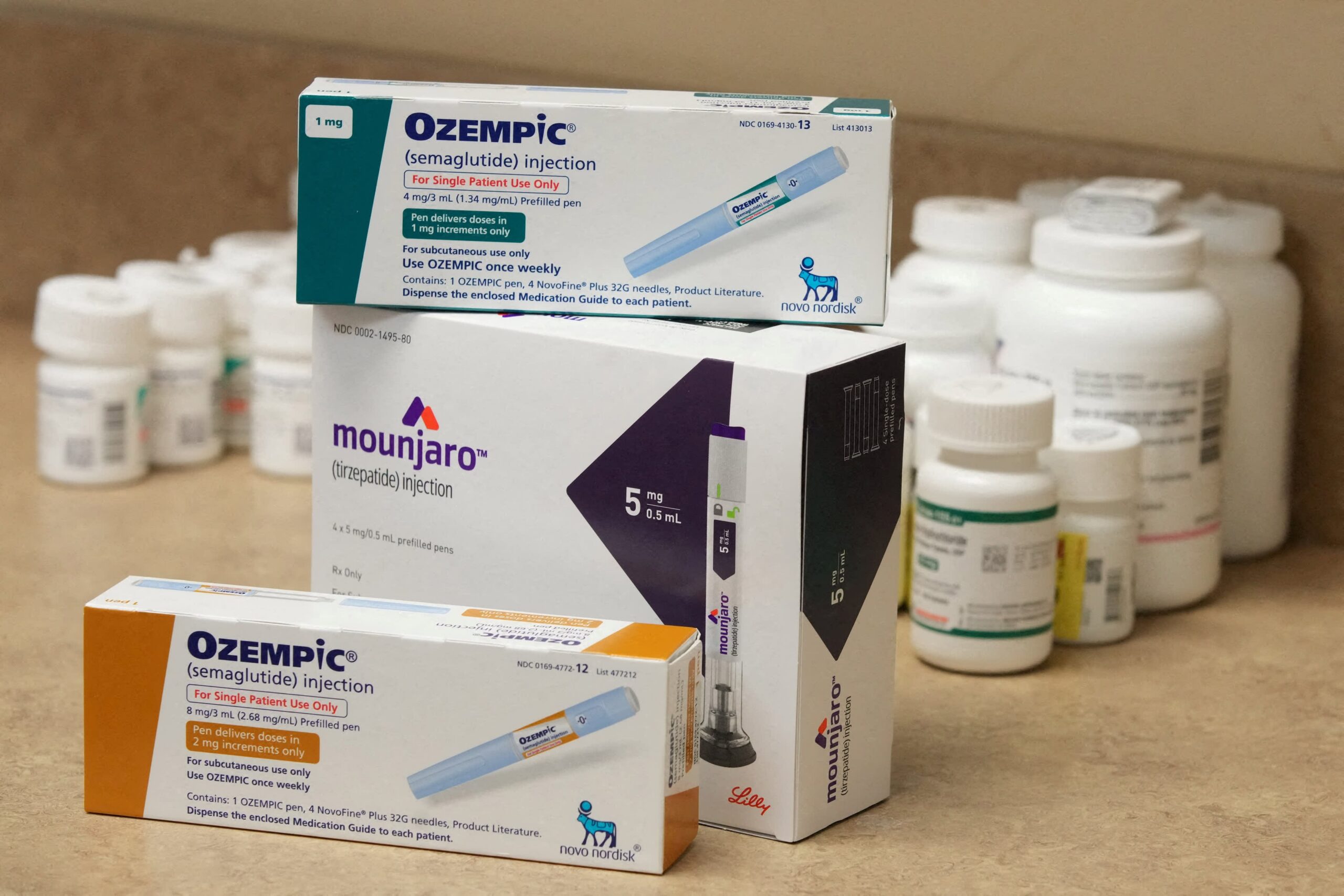
Finding the Right Pharmacy for Your Weight Loss Journey

pharmacy for weight loss medications
Where can I buy GLP-1 pills? This is the question currently flooding my inbox and search engines alike, usually from people who have spent years struggling with the scale and are finally looking for a medical solution that actually works. If you are reading this, you are likely staring at a prescription or a list of names like semaglutide or tirzepatide, wondering if you should head to your local corner chemist, wait for a delivery from an online giant, or hunt for a specialized telehealth service that promises something different.

The reality is that the way we acquire weight loss medication has changed more in the last twenty-four months than it did in the previous twenty years. It is no longer just about walking into a pharmacy and asking for a refill. There is a whole ecosystem of digital platforms, direct-to-consumer models, and traditional brick-and-mortar options that all offer very different prices, delivery speeds, and levels of medical oversight.

You might be feeling overwhelmed by the sheer volume of options. Between the celebrity endorsements and the social media hype, it is hard to tell what is a legitimate medical pathway and what is just a clever marketing funnel designed to sell you a subscription. You need to know how to navigate this without getting burned by high costs or, worse, unreliable sources.

Sorting Through Your Prescription Options

Before you even look for a pharmacy, you need to know what kind of medication you are actually looking for. Not all weight loss drugs are built the same way, and the “popular” ones you hear about in the news are often part of a specific class of drugs called GLP-1 agonists. These work by mimicking hormones in your body to signal to your brain that you are full, which changes your relationship with food on a biological level.

You will see names like semaglutide (often sold as Wegovy) and tirzepatide (sold as Zepbound) appearing everywhere lately. These are the heavy hitters. But they aren’t the only tools in the medical toolbox. If you are looking for something different, you might be looking at older, more traditional medications like phentermine or even Orlistat.

Medication Class Common Brand Names How It Works
GLP-1 Agonists Wegovy, Zepbound, Saxenda Mimics satiety hormones to reduce appetite.
Stimulants Phentermine Suppresses appetite via the central nervous system.
Lipase Inhibitors Xenical (Orlistat), Alli Prevents the body from absorbing some fat.
Combination Therapy Qsymia Combines phentermine and topiramate.

But don’t assume that the most expensive option is always the best one for your specific biology. Some people find that a simple Orlistat regimen helps them drop about 5 to 10 pounds without the intense nausea sometimes associated with the newer injectable drugs. You have to match the chemistry to your lifestyle.

And if you are looking for alternatives because the big brands are out of stock or too expensive, you might find success with other FDA-approved options. There are 7 FDA-approved weight loss medications that work in different ways, including those that combine drugs like naltrexone and bupropion. You have to be honest with yourself about whether you want a “lifestyle” aid or a heavy-duty medical intervention.

Navigating the Digital Pharmacy Maze

Once you have a prescription, the next step is deciding where it actually goes. You have several paths you can take, and each one has its own set of rules regarding insurance and shipping. The traditional way is to send your script to a local pharmacy, but for many, the “big players” in the digital space are becoming much more attractive because they integrate the doctor’s visit and the medication into one single workflow.

For example, if you use a service like Weight Watchers, they have established partnerships to make things easier. They work with Amazon Pharmacy, CenterWell Pharmacy, and Lilly Direct to ensure their members can actually get the medications they are prescribed without playing phone tag with a local pharmacist. This is a huge shift in how we handle healthcare logistics.

The steps to getting your medication online generally look like this:

  1. The Consultation: You will likely start with a telehealth appointment. This isn’t just a form you fill out; it’s a real conversation with a provider to ensure the medication is safe for your heart and your metabolic health.
  2. The Prescription: If the provider agrees, they send a digital prescription directly to a pharmacy. You don’t usually get a paper slip to carry around anymore.
  3. Insurance Verification: You’ll provide your insurance info. This is where things get tricky. Some insurers cover these drugs, while others treat them as “lifestyle” drugs and refuse to pay a dime.
  4. Shipping and Delivery: Most modern services ship your medication in temperature-controlled packaging, which is vital if you are dealing with injectables that need to stay cool.

If you are worried about the price tag, you aren’t alone. Many people find that the sticker shock at the pharmacy counter is the biggest barrier to treatment. It is worth checking if you can buy prescription weight loss medication through platforms that offer significant discounts or coupons, sometimes bringing the cost down significantly from the retail price.

If you are working with a specific doctor, like Dr. Herrmann Süßen, you might find that they have a preferred way of handling your prescriptions to ensure they are filled correctly and quickly. Having a direct line to your medical professional makes the whole process feel much less like a transaction and much more like actual healthcare.

What to Expect Once You Start

It is a mistake to think that the medication does all the heavy lifting. If you expect to wake up tomorrow and see a different number on the scale without changing a single other habit, you are going to be disappointed and potentially frustrated. The medicine is a tool, not a magic wand. It makes the “hard part”—the constant mental chatter about food, much quieter.

You might experience some side effects in the first few weeks. For the GLP-1 class, nausea is the most common complaint. You might feel a bit of a “tummy flutter” or a lack of interest in food that feels slightly unnatural at first. This is usually your body adjusting to the new hormonal signals. It doesn’t mean the drug isn’t working; it means it is working.

But you should also prepare for the psychological shift. When you aren’t fighting the urge to snack every two hours, you have to decide what to do with that extra mental energy. Some people find it’s a great time to start a new hobby, while others find the sudden lack of “food noise” leaves a void. You need a plan for your lifestyle, not just a plan for your plate.

It is also important to realize that weight loss is rarely a straight line down. You will have weeks where the scale stays stagnant despite your best efforts. This is often due to water retention or hormonal fluctuations. Don’t panic and don’t stop taking your medication because of a single plateau.

When to Call Your Doctor Immediately

While these medications are generally safe for the vast majority of people who are prescribed them, you must be vigilant about how your body responds. There is a difference between “uncomfortable” and “dangerous,” and you need to know the line. Most side effects are digestive, but there are certain red flags that require immediate medical attention.

If you experience severe abdominal pain that feels like it is radiating to your back, that could be a sign of pancreatitis, a rare but serious side effect. If you notice a sudden change in your bowel habits that persists, or if you experience severe vomiting that prevents you from keeping fluids down, do not wait. Call your doctor or head to an urgent care center.

You should also watch for:

  • Extreme fatigue or unusual weakness.
  • Dizziness or lightheadedness when standing up quickly.
  • Pain or swelling in the upper abdomen.
  • Signs of an allergic reaction, like hives or swelling of the face.

If you are using a combination medication like Qsymia, which contains phentermine and topiramate, you need to be particularly mindful of your hydration and your mood. If you feel an unusual sense of anxiety or a racing heartbeat, that is your cue to pause and talk to your physician before continuing the regimen.

The journey toward a healthier weight is deeply personal and often quite complex.

The Shifting Geometry of the Modern Pharmacy

57 years of community presence is a long time to watch a neighborhood change. We see it in the storefronts that rise and fall, the changing demographics on the corner, and the way people interact with their local providers. It is a stretch of time that spans generations, moving from paper prescriptions to digital apps.

The pharmacy isn’t just a place to pick up a bottle of pills anymore. It has become a complicated node in a massive logistics network. We find ourselves asking if the local shop can keep up with the speed of the digital world.

The way we access healthcare is changing under our feet. Some people want to walk into a shop and chat. Others want everything delivered to their doorstep before they even realize they are low on a vitamin. It is a strange, bifurcated reality.

The Convenience Paradox

Efficiency is the primary driver for most people today. We want our medicine without the social friction of a crowded waiting room. This has led to a significant rise in curbside services.

Many people think pharmacies only handle prescriptions. That is a narrow view. You can often find vitamins, personal care items, and various health supplies through these quick pickup methods. It makes the trip much faster.

Curbside pickup at pharmacies is safe, fast, and easy for those who want to avoid the interior of the store. It removes the need for long lines or face-to-face interaction when someone is feeling unwell.

But speed can sometimes come at the cost of the personal touch. There is a tension between the “instant” nature of modern tech and the “care” aspect of traditional pharmacy. We see this tension every day.

Digital-first models are gaining ground. Companies like Capsule are changing how we think about the “pharmacy trip.” They offer same-day delivery and even custom compounding. They have built an entire system around the idea that the pharmacy should come to you, not the other way around.

This model integrates insurance and refill coordination into a single digital interface. It removes the headache of calling three different places to see if a drug is in stock. It is a highly streamlined approach to wellness.

Capsule is a prime example of this shift. They focus on making the process nearly invisible. You order, and it arrives.

It works well for the busy professional. It works well for the elderly who cannot drive. However, it leaves us wondering if the human connection is being lost in the transition.

Beyond the Prescription Bottle

People often overlook the sheer variety of things sitting on a pharmacy shelf. If you walk into a full-service apothecary, the selection is massive. It isn’t just about the medicine.

We see a huge range of items:

  • Over-the-counter (OTC) medications for common ailments.
  • Daily vitamins and dietary supplements.
  • Specialized skincare and dermatological products.
  • First aid supplies and wound care.
  • Medical equipment like blood pressure monitors.

The variety of over the counter (OTC) products available can be overwhelming. Sometimes you need a specific recommendation that a website won’t give you. A pharmacist can look you in the eye and tell you if a supplement will react with your current pills.

Local shops often try to fill every niche. They want to be the one-stop shop for the neighborhood. This is why you see them stocking everything from cough syrup to specialized bandages.

And it matters. Having a reliable source for a sudden fever or an allergy flare-up is vital. You don’t always have time to wait for a delivery driver.

Sometimes, the most important thing a pharmacy provides is its presence. It is the knowledge that someone is there when the local grocery store is out of stock. It is the comfort of a familiar face during a stressful health moment.

The complexity of these inventories is growing. Managing thousands of distinct SKUs requires sophisticated software. It is a logistics nightmare hidden behind a friendly counter.

The Business of Moving Medicine

The pharmacy industry is not just about retail. There is a massive, invisible layer of commerce happening behind the scenes. This is where the real power moves are made.

When a pharmacy owner decides to retire, it isn’t a simple real estate transaction. There is a whole process of transition. It involves pre-planning, finding a buyer, and managing the transfer of licenses and patient records.

Cardinal Health Pharmacy Transition Services provides a roadmap for these complex sales and buyouts. They help manage the closing of a business to ensure patient care is not interrupted.

It is a high-stakes environment. One mistake in the transfer of data can cause a massive disruption in how patients receive their medications.

Regulatory oversight is another huge factor. The government keeps a very close eye on how these businesses operate. They want to ensure that competition is fair and that patients aren’t being exploited.

The Federal Trade Commission (FTC) monitors actions involving health care services and products. They look for unfair practices that could limit access or drive up costs.

Compliance is a constant struggle for independent owners. The rules change frequently. Staying on the right side of the law requires a dedicated team or a very expensive consultant.

It is a heavy burden. Small shops must balance being a community pillar with being a strictly regulated medical facility. They are essentially running a retail store and a mini-hospital at the same time.

The Future of Personal Care

We are moving toward a world where pharmacy is more personalized than ever. Custom compounding is a great example of this. It allows for medication to be tailored to a specific person’s needs.

Not everyone can swallow a large pill. Not everyone can tolerate a specific filler in a generic tablet. Compounding solves these problems by creating a bespoke dose.

It is a return to the roots of pharmacy, but with modern technology. It is the old way of making medicine met with new chemical precision.

Technology will continue to blur the lines. We might see more wearable tech that sends data directly to a pharmacist’s dashboard. We might see more automated dispensers in our own homes.

The core mission remains the same. We need medicine, and we need it to work. Whether it comes from a high-tech app or a small-town counter, the goal is health.

The digital and the physical are merging. You might order online, but you’ll still want to talk to a human when the dose feels wrong.

The pace of change is fast. It is hard to say exactly what the pharmacy of 2040 looks like.

Everything is changing.

pharmacieduparc-blagnac.com covers this in more detail.

De ce tot ce auziți despre vitamine e o minť de tip „rețetă”

Sincer să fiu direct, majoritatea oamenilor care cumpără suplimente de la supermarket sunt, de fapt, bani irosiți pe orice altceva în afară de sănătate. Există ideea că, dacă bei o capsulă cu zece minerale, devii automat imbatabil, indiferent cât de prost mănânci sau cât de puțin dormi. Nu e așa. Vitaminele nu sunt magii; sunt doar piese de puzzle care funcționează doar dacă restul imaginii este complet.

Nu vreau să vă demotivez, ci doar să arăt realitatea de pe etichetele colorate. Mulți oameni caută soluția pentru oboseală în capsule, când problema lor reală este lipsa somnului sau un deficit de fier pe care nicio vitamină generică de la supermarket nu îl va corecta. Dacă vrei să îți ai grijă de corp, trebuie să înțelegi ce cauți de fapt și de unde vine valoarea reală a unui produs.

E o diferență uriașă între a cumpăra „ceva care să te ajute” și a lua un produs cu o formulă justificată științific. Dacă alegi la întâmplare, probabil vei lua doar un amestec scump de zahăr și minerale în cantități care nici nu se absorb în corp. E un joc de marketing, nu de biologie, dacă nu știi ce citești pe spate.

Nu tot ce e natural e neapărat de calitate

Terminologia de pe ambalaj te poate induce în eroare. Toți vor să pară „naturale”, dar natura nu înseamnă întotdeauna eficiență în farmacologie. Un supliment poate fi derivat din plante, dar procesul de extragere îi poate distruge proprietățile active. De aceea, uită-te la sursa ingredientelor.

De exemplu, dacă te uiți la ce înseamnă, de fapt, un set complet, suplimente alimentare însemnă vitamine, minerale, plante și preparate din plante, aminoacizi sau enzime. Nu e doar o listă de ingrediente, ci un ecosistem de substanțe care trebuie să lucreze împreună. Dacă cumperi doar vitamine, riști să ignori enzimele care ar trebui să te ajute să le absozi.

Unele companii au investit mult în cercetare pentru a asigura biodisponibilitatea. Nu e suficient să ai vitamina C în compoziție; trebuie să fie într-o formă pe care intestinul tău să o recunoască și să o trimită în sânge. Dacă producătorii doar amestecă pudră într-o capsulă fără să studieze absorbția, atunci produsul e doar decorativ.

Totuși, nu totul e pierdut. Există producători care înțeleg medicina integrativă. Unii se concentrează pe produse care combină abordarea farmacologică cu cea naturală, încercând să închidă golurile lăsate de stilul de viaț modern. Aceasta este direcția în care ar trebui să mergem: spre produse care nu doar „ocupă” un loc în corpul nostru, ci care contribuie la echilibru.

Un alt aspect pe care mulți îl ignoră este calitatea ingredientelor de bază. Dacă vrei să îți verifici sănătatea nu doar prin suplimente, ci și prin restul proceselor de diagnostic, ar trebui să fii atent la orice consult medical. Chiar și la verificarea unei vedere, de exemplu, mergi la un specialist precum Optica-Med pentru a te asigura că diagnosticul este precis înainte de a presupune că oboseala ta vine doar din lipsa de vitamine.

Cum alegi între branduri fără să te pierzi în reclame

Piața e inundată de opțiuni. Dacă intri pe un site de profil, vezi sute de variante. Cum decizi? Încearcă să te uiți la companiile care au o filozofie clară de producție. De exemplu, există companii care se concentrează strict pe medicina integrativă, oferind atât suplimente, cât și cosmetice naturale, crezând că sănătatea este un întreg. Secom este un exemplu de companie românească lider în acest domeniu de medicină integrativă, oferind o gamă variată de soluții naturale.

Apoi ai producătorii care pun accent pe inovație. Nu e suficient să replici formulele de acum 20 de ani. Sunt companii, precum Sun Wave Pharma, care se concentrează pe dezvoltarea de produse inovatoare pe bază de ingrediente din sursă naturală, cu scopul de a îmbunătăți calitatea vieții prin ingrediente de înaltă calitate. Acestea merită atenția ta, pentru că înțeleg că tehnologia poate ajuta natura să fie mai eficientă.

Iată o scurtă comparație a tipului de abordare pe care o poți întâlni în farmacii:

Tip produs/Brand Abordare principală Ideal pentru…
Suplimente Generice Preț scăzut, vitamine de bază Menținere zilnică (dacă dieta e bună)
Medicină Integrativă Abordare holistică, produse complexe Persoane cu nevoi specifice de echilibrare
Produse de Sursă Naturală Inovatoare Ingrediente de înaltă calitate, tehnologie Cine caută performanță și absorbție maximă

Dacă ești în căutarea unor vitamine care să acopere nevoile întregii familii, poți găsi gama de produse Pharma-Z, care se concentrează pe calitatea înaltă pentru întreaga familie. Fie că vorbim de copii în perioada de creștere sau de vârstnici, calitatea materiei prime e singurul lucru care contează la finalul zilei.

Comandă online: unde pierzi banii și unde economisești

Aici intervine partea practică. Cineva te va întreba: „Care este cea mai ieftină farmacie online?”. Răspunsul scurt? Nu există una singură, dar există strategii de cumpărare. Dacă mergi direct la cel mai ieftin site, s-ar putea să găsești produse care au expirat sau care sunt stocate în condiții neadecvate. Prețul nu e totul.

Dacă vrei să economisești, poți descoperi cum să comanzi medicamente și suplimente de calitate la preț redus, direct de acasă, consultând ghidurile de pe Liki24. Ideea e să găsești echilibrul între prețul de pe raft și siguranța că produsul este autentic. Nu cumpăra niciodată suplimente de la surse necunoscute pe rețele de socializare, chiar dacă par tentante.

O altă opțiune este comoditatea. Uneori, e mult mai simplu să primești totul într-o singură livrare. Pe site-uri precum Pe Plusfarma, poți găsi mii de produse pentru sănătate, îngrijire și frumusețe, pe care le poți comanda simplu, direct de acasă. E o soluție pentru cei care nu au timp să caute prin toate farmacile fizice din oraș.

  • Verifică întotdeauna dacă site-ul are certificare de la ANPC.
  • Compară prețul pe o listă de produse, nu pe un singur produs.
  • Citește recenziile pentru produsele de suplimentare, nu doar pentru farmacie.
  • Alege livrarea la domiciliu dacă ai nevoie de produse care necesită un anumit regim de păstrare.

Întrebarea care rămâne mereu în fundul minții orui consumator este: „Care este cea mai bună firmă de produse naturiste?”. Nu există un răspuns universal, pentru că depinde de ce ai nevoie. Dacă ai nevoie de ceva pentru imunitate, poate o firmă de plante e mai bună; dacă ai nevoie de ceva pentru regenerarea articulațiilor, ai nevoie de o companie care investește în cercetarea aminoacizilor.

Nu uita că și transportul contează. Dacă ești în afara țării, întrebarea „care este cea mai bună farmacie online cu livrare în străinătate” devine critică. Unele platforme sunt optimizate pentru logistică internațională, ceea ce înseamnă că vei primi produsele fără să le pierzi pe drum la vamă sau în procese de tranzit infinite.

Cum să nu fii „victimă” în procesul de optimizare a sănătății

Sănătatea nu se face printr-o singură pastilă. Dacă iei vitamine, dar mănânci procesat și stai 10 ore pe scaun, e ca și cum ai încerca să repari o casă cu bandă adezivă în timp ce un buldozer o dărâmă. Suplimentele sunt doar un ajutor, nu o scuti de responsabilitate față de propria dietă.

Trebuie să fii critic. Dacă un produs promite că te ajută să slabești cu 10 kilouri în o săptămână, fugi. Dacă un supliment pretinde că îți vindecă orice boală, fugi și mai repede. Corpul uman e un sistem complex, iar soluțiile magice nu există în biologie. Există doar nutrienți care ajută procesele biologice să se desfășoare normal.

În loc să cauți „cele mai bune vitamine” într-o listă de top de pe Google, care probabil e scrisă de cineva care nu a văzut o pilulă în viața lui, întreabă medicul tău. Analizele de sânge sunt singura ta carte de cheie. Dacă ai carență de magneziu, nu căuta „multivitamine de lux”, caută magneziu de calitate, într-o formă care să nu îți distrugă stomacul.

În final, procesul de a-ți îngriji sănătatea este unul de selecție, nu de acumulare. Nu cumpăra tot ce vezi doar pentru că e la reducere. Cumpără ce ai nevoie, de la producători care înțeleg că ești un om, nu doar un client. Sănătatea este o maratonă, nu un sprint de 100 de metri.

Warum Sie Ihre Gesundheit nicht dem Zufall überlassen sollten

Wer denkt, eine Apotheke sei nur ein Laden für Schachteln mit Kopfschmerztabletten oder Schnupfensaft, der irrt sich gewaltig. In Wahrheit ist eine Apotheke eher ein hochspezialisiertes Logistikzentrum für Ihre Gesundheit. Wer das nicht versteht, wird im Ernstfall merken, dass die bloße Verfügbarkeit von Pillen wenig bringt, wenn am Tresen die Kompetenz fehlt.

In einer Zeit, in der man fast alles per Mausklick bestellen kann, wirken lokale Läden oft wie Relikte aus der Vergangenheit. Aber das Gegenteil ist der Fall. Die Nähe zu einem Experten, der Sie vielleicht sogar persönlich kennt, ist die einzige Versicherung gegen Fehlberatungen durch anonyme Algorithmen. Ein Algorithmus ist zwar schnell, hat aber keine Ahnung, wie sich eine echte Entzündung anfühlt.

Wenn Sie in Naunhof leben, haben Sie die Wahl zwischen verschiedenen Wegen. Es gibt die digitale Schiene für die Schnelligkeit und den klassischen Beratungstermin für die alte Schule. Beides hat seine Daseinsberechtigung, bedient aber völlig unterschiedliche Bedürfnisse in einem stressigen Alltag.

Die digitale Falle und die App-Lösung

Die moderne Welt verlangt nach Effizienz, und das gilt auch für die Pharmazie. Wer keine Lust hat, im Winter in einer Warteschlange zu stehen, greift zur Technik. Die Löwen Apotheke Naunhof App ist da ein gutes Beispiel für den Versuch, Tradition und Technik zu verbinden, indem sie Rezepte und Medikamente online verfügbar macht.

Das klingt verlockend: Man tippt im Bus auf dem Smartphone herum und kurz darauf ist alles bereit. Aber Vorsicht. Digitalisierung bedeutet nicht automatisch, dass die Qualität der Beratung mitzieht. Ein Algorithmus kann Ihre Daten verwalten, aber er wird Sie nicht fragen, ob Sie vielleicht auch ein Vitaminpräparat brauchen, weil Sie in letzter Zeit so blass aussehen.

Wenn Sie den digitalen Weg gehen, sollten Sie die Vorzüge der Löwen Apotheke in der Kurzen Straße 4 kennen. Hier wird versucht, den Prozess so schlank wie möglich zu halten. Sie können sich beispielsweise per E-Mail unter bestellung@loewen-apotheke-naunhof.de direkt mit dem Team abstimmen, etwas, das eine reine App allein oft nicht leisten kann.

Trotzdem bleibt ein Restrisiko bei der rein digitalen Abwicklung. Wer nur noch blind bestellt, riskiert, dass Wechselwirkungen übersehen werden, die ein einfaches Gespräch gelöst hätte. Effizienz ist gut, aber Sicherheit ist besser. Ein Medikament ist schließlich kein Gadget, das man einfach austauscht, wenn die Software nicht funktioniert.

  • Vorteil: Zeitersparnis bei Standardmedikamenten.
  • Nachteil: Eingeschränkte persönliche Diagnose durch das Gegenüber.
  • Hybrid-Modell: Online bestellen, vor Ort abholen, die kluge Mitte.

Beratung als Luxusgut oder Grundrecht?

Dann ist da noch die Engel Apotheke, die einen ganz anderen Weg geht. Während andere versuchen, die Zeit am Tresen zu minimieren, scheint hier das Gespräch im Mittelpunkt zu stehen. Man kann sich dort sogar einen persönlichen Beratungstermin sichern. Das wirkt in der heutigen Zeit fast wie ein exklusiver Service, ist aber eigentlich eine Reaktion auf die immer komplexer werdende Medikation.

Ein Telefonat unter 0800 1133399 oder 034293 29364 kann oft mehr bewirken als zwei Stunden mühsame Recherche im Internet. Manchmal braucht man einfach jemanden, der sagt: „Nehmen Sie das nicht mit dem Kaffee, sonst wirkt es nicht.“ Solche Details entscheiden darüber, ob eine Behandlung funktioniert oder Geld verschwendet wird.

Ein Blick in die sozialen Medien zeigt, dass die Engel Apotheke einen sehr menschlichen, nachbarschaftlichen Touch hat. Sie feiern zum Beispiel den Start der Schulanfänger, ein Thema, das in Naunhof sicher für Gesprächsstoff sorgt. Das ist lokale Identität, die man nicht programmieren kann.

Wer es sehr genau nimmt, findet im Online-Shop der Engel Apotheke zudem klare Regeln. Wenn Ihnen etwas nicht passt, ist das Thema Widerruf klar geregelt, was bei medizinischen Produkten ohnehin ein sensibles Thema ist. Transparenz schafft Vertrauen, und das ist in der Apotheke die härteste Währung überhaupt. Wenn die Vertragsbedingungen klar sind, fühlt man sich beim Kauf sicherer.

Man kann sich natürlich auch einfach zu sternen-apotheke-naunhof.de begeben, wenn Ihnen die anderen nicht passen. Am Ende geht es darum, wo man sich verstanden fühlt, wenn der Körper mal wieder streikt.

Die Logistik der Gesundheit in Naunhof

Schauen wir uns die harten Fakten an. Wenn Sie in der Kurze Straße 4 unterwegs sind, finden Sie die Löwen Apotheke. Die Öffnungszeiten sind hier ein entscheidender Punkt für den Alltag. Sehen wir mal, ob die Zeiten zu Ihrem Lebensstil passen.

Apotheke Standort / Bereich Besonderheit
Löwen Apotheke Kurze Straße 4 Digitaler Fokus (App)
Engel Apotheke Naunhof (Zentrum) Fokus auf Beratung

Die Löwen Apotheke hat von Montag bis Mittwoch bis 18:30 Uhr geöffnet. Für Pendler, die erst nach der Arbeit an ihre Medikamente denken, kann das ein wichtiger Zeitpuffer sein. Wenn man nach einem langen Tag endlich nur noch schnell eine Packung Pflaster braucht, ist jede halbe Stunde Gold wert. Niemand will vor verschlossenen Türen stehen.

Auch die räumliche Lage spielt eine Rolle. Es gibt Apotheken, die nah beieinander liegen, und solche, die man eher als Spezialisten bezeichnen könnte. Wer zum Beispiel im Pösnapark ist, merkt schnell, dass die Wege oft länger sind als gedacht. Man fährt nicht für jedes kleine Pflaster 6,57 km, ohne dass der Blutdruck steigt.

Es ist ein ständiger Spagat zwischen Verfügbarkeit und Fachwissen. Die Apotheken müssen die Nachfrage nach schnellen Lösungen mit der nötigen Sorgfalt unter einen Hut bringen. In der Praxis bedeutet das oft, dass das Personal unter hohem Druck arbeitet, während Kunden eine sofortige Antwort erwarten.

Der Faktor Mensch gegenüber der Maschine

Warum ist das alles so wichtig? Nehmen wir ein Beispiel: Sie haben seit drei Tagen ein stechendes Gefühl im Knie. Vielleicht ist es nur eine Reizung, vielleicht etwas Ernsthafteres. Sie wollen nicht direkt zum Arzt, der Sie vielleicht nur mit Ibuprofen abspeist, was das Problem nur überdeckt. Ein Apotheker in Naunhof kann Ihnen vielleicht sagen, dass Sie eher eine Kniebandage brauchen oder die Salbe anders auftragen müssen. Eine App würde Ihnen höchstens ein Video zeigen, das Sie ohnehin schon zehnmal gesehen haben.

Diese feinen Unterschiede sind der Grund, warum Apotheken vor Ort nicht verschwinden werden, egal wie gut Apps werden. Expertise ist Erfahrungswissen, das man nicht einfach in Code gießen kann. Es ist das Wissen aus tausenden Gesprächen und die Fähigkeit, zwischen einem banalen Infekt und einem ernsthaften Warnsignal zu unterscheiden.

Man muss die Professionalität nicht übertreiben, aber man sollte sie nicht unterschätzen. Wer glaubt, er könne seine komplette Gesundheit über einen Warenkorb regeln, unterschätzt die Komplexität des menschlichen Körpers. Ein Medikament ist keine Software, die man nach einem Update einfach installiert, sondern eine chemische Substanz, die in einem komplexen System wirkt.

Die Wahl der Apotheke in Naunhof ist also keine reine Geschmacksfrage, sondern eine Entscheidung darüber, wie viel Sicherheit Sie wollen. Möchten Sie die Bequemlichkeit der digitalen Welt oder das Gespräch von jemandem, der wirklich da ist?

Was Sie jetzt tun sollten

Checken Sie mal Ihre Vorräte. Ist noch genug von dem da, was Sie regelmäßig brauchen? Wenn nicht, nutzen Sie die digitale Welt, aber bereiten Sie sich auf das Gespräch vor. Ein kurzer Anruf spart oft Zeit und Frust. Technik sollte ein Werkzeug sein, kein Ersatz für den gesunden Verstand.

Gehen Sie morgen vielleicht einfach mal vorbei. Schauen Sie, ob die Atmosphäre in der Engel Apotheke oder der Löwen Apotheke besser zu Ihnen passt. Manchmal findet man seine Apotheke erst, wenn man sie wirklich braucht, aber es schadet nicht, die Wege vorher zu kennen.

Die Apotheken in Naunhof werden sich weiterentwickeln, aber der Kern bleibt gleich: Ihr Wohlbefinden hängt von der Qualität der Information ab, die Sie erhalten.

Häufige Fragen

Wo finde ich eine Apotheke in Naunhof?

In Naunhof finden Sie Apotheken direkt im Stadtzentrum, die Sie über gängige Karten-Apps oder die lokale Branchenverzeichnis-Suche erreichen können.

Haben Apotheken in Naunhof auch am Sonntag geöffnet?

Reguläre Öffnungszeiten gelten von Montag bis Samstag; für Notdienste am Sonntag oder an Feiertagen nutzen Sie bitte den Notdienstplan.

Kann ich in der Naunhof Apotheke Rezepte einlösen?

Ja, alle Apotheken in Naunhof akzeptieren sowohl Kassenrezepte als auch Privatrezepte sowie E-Rezepte.

Gibt es in Naunhof Apotheken mit Rezept-Lieferservice?

Viele Apotheken vor Ort bieten einen Lieferdienst für Medikamente an, um die Versorgung zu Hause zu erleichtern.

Sind in Naunhof auch Apotheken mit Rezept-Reiseapotheken oder Reiseberatung verfügbar?

Ja, die Apotheken in Naunhof beraten Sie gerne zu Reiseapotheken und stellen Ihnen die passende Reiseapotheke zusammen.

La realidad sin filtros de la terapia antiviral: de la gripe al virus del herpes

En 2024, la gestión de la COVID-19 ha dado un giro radical. Ya no nos limitamos a esperar a que el paciente colapse en urgencias; ahora la prioridad es la intervención temprana con antivirales fuera del hospital para aquellos con riesgo de cuadros graves, siguiendo las directrices del Ministerio de Salud de la República de Panamá.

Entender los antivirales va más allá de saberse los nombres de los fármacos de memoria. Se trata de comprender cómo una molécula pequeña puede frenar a un virus que, de lo contrario, se apoderaría de todo tu sistema respiratorio. En el fondo, la farmacología aquí es una pelea constante entre la evolución viral y la precisión de la química.

Pero no todos los virus se comportan igual. No puedes atacar un herpes simple con la misma lógica que intentas frenar una influenza estacional o un virus de la hepatitis. Cada familia tiene sus propios puntos débiles y formas de entrar o salir de la célula. Si tratas de usar la misma estrategia para todo, solo vas a perder tiempo y dinero.

En este análisis vamos a ver qué tenemos realmente en el arsenal médico hoy. Sin adornos. Vamos a ver qué funciona en la práctica clínica y dónde se quedan cortos los tratamientos actuales contra los patógenos virales.

El arsenal contra los herpes y la varicela

El herpes simple y la varicela zoster son los clásicos de la virología. Son virus persistentes y su capacidad de permanecer latentes puede volver loco a cualquier clínico. El objetivo aquí es interrumpir la síntesis del ADN viral antes de que la replicación se descontrole. Para eso usamos fármacos que atacan directamente la polimerasa viral.

La forma en que actúan estos agentes es muy específica. No buscan matar la célula, sino sabotear la maquinaria con la que el virus hace sus copias. Si el virus no puede replicar su material genético, la infección se mantiene bajo control o dura mucho menos tiempo. Esto es vital, sobre todo en pacientes inmunocomprometidos que no tienen defensas naturales para contener el virus.

La elección del fármaco depende de qué tan grave sea el caso y qué zona esté afectada. Por ejemplo, un tratamiento mal administrado en un herpes ocular puede dejar secuelas permanentes en la visión. Por eso, antes de recetar, lo primero es decidir si se necesita un antiviral tópico o uno sistémico.

El enfoque moderno no es solo curar, sino evitar que el virus se propague. En la varicela zoster, se busca que no se extienda a otros órganos ni cause problemas neurológicos. Es una carrera contra el reloj que empieza en cuanto el virus se despierta de su estado latente.

La guerra contra la influenza y sus variantes

La gripe no es solo un malestar pasajero; es un blanco que cambia constantemente. Por eso, el uso de amantadina, oseltamivir o zanamivir siempre genera debate en pediatría y medicina general. No todos sirven para lo mismo ni en la misma etapa de la enfermedad.

Usar estos medicamentos para prevenir la gripe es un tema delicado. No se trata de recetar antivirales “por si acaso”. Como se explica en investigaciones sobre la profilaxis de la gripe, la eficacia depende totalmente de qué tan rápido se administre el fármaco después de que aparecen los síntomas.

Muchos médicos cometen el error de recetar oseltamivir cuando ya es demasiado tarde. Si el virus ya colonizó las células del epitelio respiratorio, el medicamento tiene poco que hacer. El timing es todo. Si llegas tarde, solo estarás recetando un fármaco caro para calmar la ansiedad del paciente.

Luego está el problema de la resistencia. La amantadina, por ejemplo, ha perdido terreno porque muchos virus de la influenza ya aprendieron a ignorar su acción. Esto nos obliga a ser más selectivos y a saber distinguir entre un inhibidor de la neuraminidasa y un bloqueador de la proteína M2.

Aquí tienes una comparativa rápida de lo que se usa contra la gripe:

  • Oseltamivir: Inhibidor de la neuraminidasa, es el más común para vía oral.
  • Zanamivir: Funciona de forma similar al oseltamivir, pero suele ser inhalatorio.
  • Amantadina: Actúa sobre la proteína M2, aunque su uso ha caído por la resistencia viral.

Estrategias para la hepatitis y otros virus crónicos

Cuando la infección se vuelve crónica, la estrategia cambia. Ya no buscamos una cura inmediata, sino un control sostenido para que el sistema inmune o los fármacos mantengan la carga viral en niveles indetectables. Es una guerra de desgaste.

La hepatitis C es el ejemplo perfecto. Antes, el tratamiento era un proceso brutal de meses con efectos secundarios muy pesados. Hoy la medicina ha avanzado hacia combinaciones más precisas y menos tóxicas, aunque no hay que engañarse: el tratamiento estándar para la infección crónica suele requerir combinaciones complejas.

En ciertos casos, la combinación de IFNP y ribavirina se ha establecido como un estándar clínico para atacar el virus desde varios ángulos. Esta politerapia es lo que permite que alguien con una infección crónica viva con normalidad sin que el virus destruya sus órganos poco a poco.

Pero aquí es donde la teoría choca con la realidad: la adherencia es el gran problema. Puedes tener el mejor cóctel de antivirales, pero si el paciente olvida las dosis o deja el tratamiento por los efectos secundarios, el virus aprende. Y un virus que aprende es mucho más difícil de combatir.

Para entender cómo se agrupan estos medicamentos según su objetivo, mira esta tabla:

Tipo de Virus Ejemplos de Fármacos Mecanismo Principal
Virus ADN (Herpes) Aciclovir, Valaciclovir Inhibición de la polimerasa
Virus ARN (Influenza) Oseltamivir, Zanamivir Inhibición de neuraminidasa
Hepatitis B/C Tenofovir, Sofosbuvir Interrupción de la transcriptasa inversa

La complejidad de la polifarmacia antiviral

No se puede hablar de antivirales sin mencionar a los inmunomoduladores. A veces el problema no es solo el virus, sino la respuesta del propio cuerpo. En casos como el COVID-19, la tormenta de citoquinas puede ser más letal que el virus mismo. Por eso, las guías actuales combinan antivirales con fármacos que regulan la respuesta inmune.

Esto hace que recetar sea un campo minado. Si el paciente ya toma algo para la hipertensión o la diabetes, un antiviral potente puede alterar sus niveles sanguíneos de otros medicamentos. La interacción medicamentosa no es una teoría; es algo que vemos a diario con pacientes que toman muchas pastillas.

Es fundamental que quien prescriba entienda no solo el mecanismo del antiviral, sino también cómo se procesa en el hígado y los riñones. No todos los riñones procesan el aciclovir igual, ni todos los hígados aguantan terapias largas para la hepatitis. Personalizar el tratamiento es la única forma de evitar una toxicidad innecesaria.

Si quieres ver la clasificación técnica de estos grupos, visita este sitio para ver cómo se estructuran en la clínica. Saber la diferencia entre un antivírico, un antibiótico y un antiparasitario es la base de cualquier tratamiento seguro.

Al final, la medicina antiviral es una ciencia de precisión que mezcla química con intuición clínica. No hay recetas mágicas, solo herramientas que sirven si se usan en el momento justo, en la dosis exacta y para el virus correcto. Si fallas en cualquiera de esos puntos, solo estás dando vueltas en círculo.

Preguntas frecuentes

¿Cuáles son los medicamentos antivirales más comunes?

Los más utilizados incluyen aciclovir, oseltamivir, ritonavir y zidovudina, empleados para tratar virus como el herpes, la influenza y el VIH.

¿Cuáles son los 10 antivirales más utilizados?

Entre los principales destacan aciclovir, valaciclovir, oseltamivir, zidovudina, lamivudina, emtricitabina, abacavir, entecavir, favipiravir y foscarnet.

¿Cuáles son algunos ejemplos de 20 medicamentos antivirales?

Incluyen fármacos como aciclovir, valaciclovir, oseltamivir, zidovudina, lamivudina, emtricitabina, abacavir, entecavir, favipiravir, foscarnet, ganciclovir, famciclovir, fexinidovir, sofosbuvir, dasunatabir, lopinavir, atazanavir, darunavir, raltegravir y dolutegravir.

¿Qué medicamentos antivirales se utilizan en perros?

En medicina veterinaria se usan antivirales específicos como el aciclovir para herpesvirus o el famciclovir, siempre bajo estricta supervisión médica.

¿Para qué sirven los medicamentos antivirales?

Se utilizan para inhibir la replicación de virus en el organismo, reduciendo la gravedad de la infección y la duración de los síntomas.

Navigating the Reality of Personal Loans in Missouri

Before you even talk to a lender about a personal loan in Missouri, check your credit score and your monthly income. These two numbers are what determine whether you get an approval or a rejection almost immediately.

Living costs in Missouri change depending on where you are. You might be in an expensive area like St. Louis or Kansas City, or you might be in a rural county where things are much cheaper. This gap changes how much cash you actually need to borrow to cover life’s unexpected hiccups.

Money is a tool, but it’s a heavy burden if you handle it wrong. Don’t treat a loan like free cash. It’s a contract that dictates your financial life for the next few years.

When you sit down to look at your budget, be honest. Most people lie to themselves about how much they spend on gas or groceries. That honesty is what prevents a debt spiral later on.

The Mechanics of Borrowing in the Show State

Missouri lenders have to follow state laws that protect you from the worst predatory tactics. These rules make sure the interest rates and fees in your contract are the ones you actually pay. It isn’t a free-for-all, but it isn’t a charity either.

Traditional banks in the state usually have the strictest requirements. They want to see a long history of stability. If you just moved to Missouri or recently changed jobs, a big bank might give you the cold shoulder. They prefer customers who have been with them for years.

Credit unions are often much more flexible. Because they’re member-owned, they tend to look at your character and local ties instead of just a digital score. If you belong to a local credit union, start there. They might offer terms a national lender would never touch.

Be careful how you shop around, though. Many people jump at the first offer they get through mail or email. Those offers are often just hooks to get you in the door, and the actual terms can be much worse than what you’d find if you did the legwork yourself. Compare the total cost of borrowing, not just the monthly payment.

Some people look for personal loans Missouri options online to save time. Digital lenders are fast, but they’re impersonal. They use algorithms that can be incredibly harsh if a single month of your payment history was messy.

If you go with a digital lender, remember you’re dealing with a computer. A human might give you a break if you had a medical emergency. A computer will just see a missed payment and hike your rate or deny you entirely.

  • Credit Unions: Often have lower rates and more personal service.
  • Traditional Banks: Reliable but very strict on credit history.
  • Online Lenders: Extremely fast but can be harder on your credit score.
  • Peer-to-Peer Lenders: An alternative that connects you directly to investors.

Understanding Your Credit Identity

Your credit score is the most important number in this process. It isn’t just a digit; it’s your reputation in the financial world. In Missouri, as in the rest of the country, a high score means lower costs for everything you do.

Think of your score like a weather report. A high score says the skies are clear and you’re a safe bet. A low score suggests a storm is coming. Lenders use this report to decide if they want to take a risk on you.

It’s a common mistake to think one high-interest loan will ruin your life. It won’t. However, carrying multiple loans at once can make you look desperate to a lender. They’ll start to wonder why everyone is lending you money, and that’s a red flag they won’t ignore.

You can improve your score by being meticulous about timing. Even one late payment can drag your score down for a long time. It’s better to pay a small amount on time than to miss a large payment entirely. In the long run, consistency matters more than the amount.

If your credit is poor right now, don’t feel stuck. You can build it back up, but it takes patience. It’s a slow climb, not a sprint. You won’t fix a bad credit history with one quick loan.

Credit Tier Likelihood of Approval Typical Terms
Excellent Very High Low interest, low fees
Good High Standard interest rates
Fair Moderate Higher interest, more scrutiny
Poor Low High interest, strict limits

The Hidden Costs of Quick Cash

Speed is tempting. When an emergency hits, you want the money yesterday. But the faster you get the funds, the more you usually pay for the privilege. There is a direct link between how quickly you get money and how much interest you’ll lose.

You must read the fine print. This is where the traps are hidden. Look for terms like “origination fees” or “prepayment penalties.” These can turn a reasonable loan into a financial disaster.

An origination fee is a slice of the loan the lender takes off the top. If you borrow $5,000 but they charge a 5% origination fee, you only get $4,750. But you still owe interest on the full $5,000. It’s a sneaky way for lenders to make money before you even spend a dime.

Prepayment penalties are even more frustrating. These are fees you pay if you try to pay the loan off early. It sounds crazy, why would a lender want you to pay them back faster? Because they want your interest. If you win, they lose. They build these penalties into the contract to keep you paying for as long as possible.

Also, watch out for compounding interest. If you only pay the minimum amount required each month, you’re mostly just paying the interest. The principal balance barely moves. This is how people stay in debt for a decade even when they make payments every single month.

Check the APR, not just the interest rate. The APR is the real number. It includes the interest rate plus all those sneaky fees. That is the only number that matters when comparing two different offers. If you don’t compare the APR, you’re flying blind.

Managing Debt Without Losing Your Mind

Once you have the money, the real work begins. You need a plan. A loan isn’t a windfall; it’s a scheduled subtraction from your future income. If you don’t have a plan to pay it back, you’re just digging a hole.

I’ve seen people take out a personal loan to pay off credit cards, thinking it solves the problem. It doesn’t. If you don’t change your spending habits, you’ll end up with the personal loan and a bunch of new credit card debt. Now you have two problems instead of one.

Use the loan for what you intended. If it was for a car repair, fix the car. If it was for a medical bill, pay the bill. Don’t use “extra” money to go out to dinner or buy things you don’t need. That’s how the cycle of debt starts.

Automate your payments. If you have to remember to write a check every month, you will eventually forget. Set up an auto-pay from your checking account. It stops human error and keeps your credit score healthy without any extra effort.

Keep an eye on your total debt-to-income ratio. Lenders look at this, and you should too. If your monthly debt payments take up too much of your take-home pay, you’re living on the edge. One bad month of work or one broken water heater and you’re in trouble.

Life happens. It happens to everyone. You might lose a job or face a family crisis. If you’re struggling to make payments, talk to your lender immediately. Most reputable lenders would rather work out a new plan with you than have you default entirely. Silence is your enemy when you’re behind on payments.

Stay disciplined. It’s the only way to win.

Die Logik hinter dem digitalen Versandhandel für Potenzmittel: Zwischen Komfort und medizinischer Sicherheit

Viele Männer denken, der Kauf von Potenzmitteln im Internet sei ein riskantes Glücksspiel. Man hofft einfach, dass das, was in der Packung drin ist, auch wirklich die Wirkstoffe enthält, die draufstehen. Dieses Vorurteil hält sich hartnäckig, auch wenn es die Realität des modernen E-Commerce ignoriert. Tatsächlich ist der legale Online-Handel für Medikamente wie Sildenafil oder Tadalafil heute oft sicherer und kontrollierter als der Gang in die klassische Apotheke vor Ort, da er strengen Regeln unterliegt.

Wer heute online bestellen will, stößt auf zwei völlig unterschiedliche Welten: Den grauen Markt, der oft in dubiosen Social-Media-Anzeigen auftaucht, und den regulierten medizinischen Online-Handel. Letzterer ist meist ein digitaler Workflow aus Anamnese, ärztlicher Prüfung und Apothekenversand. Man kauft hier keine „Wunderpillen“, sondern reguläre Medikamente, die durch ein Rezept legitimiert wurden.

Wer sicher handeln will, hat es nicht schwer: Man nutzt Plattformen, die den gesamten Prozess, vom Online-Fragebogen bis zur diskreten Lieferung, rechtlich sauber abbilden. Ein seriöser Anbieter verspricht keine „Wunderheilung“ ohne Fragen, sondern nutzt die digitale Infrastruktur, um die medizinische Notwendigkeit zu prüfen. Das ist der entscheidende Unterschied zwischen einem illegalen Shop und einem zertifizierten Dienstleister.

Das Ende der analogen Scham: Wie Online-Fragebögen die Beratung ersetzen

Früher war der Gang zum Arzt oft die größte Hürde. Man musste im vollen Wartezimmer neben jemandem sitzen, der vielleicht gerade wegen der gleichen Probleme da war. Das hat sich radikal geändert. Moderne Plattformen nutzen strukturierte Online-Fragebögen für die medizinische Anamnese. Das spart Zeit und Nerven.

Ein Patient füllt online ein Formular aus, gibt seine Vorerkrankungen, den Blutdruck und die Einnahme anderer Medikamente an. Diese Daten werden dann von einem qualifizierten Arzt gesichtet. Wenn die Parameter passen, wird ein E-Rezept ausgestellt. Dieser Prozess ist nicht weniger gründlich als ein Gespräch in der Praxis, nur eben deutlich privater. Wer über eine mediziner apotheke oder vergleichbare Portale nach Lösungen sucht, merkt schnell, dass die medizinische Qualität durch die digitale Abfrage nicht sinkt.

Warum dieser Schritt wichtig ist? Ein Arzt muss ausschließen, dass die Einnahme von Sildenafil etwa bei bestimmten Herzproblemen lebensgefährlich wird. Ein reiner Shop, der „rezeptfrei“ ohne ärztliche Prüfung verkauft, ist daher nicht nur illegal, sondern potenziell tödlich. Die digitale Anamnese ist also kein Zeitvertreib, sondern eine Sicherheitsbarriere für den Kunden.

Die Geschwindigkeit ist bei diesen Prozessen beeindruckend. Bei spezialisierten Anbietern wie Gospring erhält man das Präparat oft innerhalb von 2 bis 3 Werktagen nach der Rezeptausstellung. Das ist kein „Express-Versand“ aus Übersee, sondern eine logistische Kette, die innerhalb des europäischen Gesundheitssystems bleibt. Man bekommt das, was man braucht, ohne die soziale Hürde eines physischen Arztbesuchs.

Generika vs. Markenprodukte: Der Preisvorteil der Kopien

Ein Thema, das fast immer aufkommt, ist die Frage nach der Wirksamkeit von Generika im Vergleich zu den Originalen wie Viagra oder Cialis. Die Pharmakologie ist hier recht eindeutig: Der Wirkstoff ist identisch. Ob eine Tablette nun den Namen eines teuren Markenprodukts trägt oder als günstiges Generikum verkauft wird, ändert nichts an der chemischen Struktur von Sildenafil oder Tadalafil.

Der Preisunterschied ist massiv. Generika sind deutlich günstiger, was vor allem an der fehlenden Marketing-Präsenz der Originalhersteller liegt. Wenn man bei Anbietern wie Apomeds nach Test-Generika sucht, findet man Produkte, die eine sehr schnelle Lieferung innerhalb von 24 bis 48 Stunden ermöglichen. Hier geht es oft darum, die Wirkung eines Wirkstoffs zu testen, ohne sofort ein teures Originalpaket zu kaufen.

Es gibt jedoch Nuancen bei den Hilfsstoffen. Ein Originalpräparat nutzt oft eine spezifische Formulierung, um die Aufnahme des Wirkstoffs im Körper zu steuern. Generika sind zwar nach denselben Standards zugelassen, aber die Abbaugeschwindigkeit kann minimal variieren. Für die meisten Männer spielt das jedoch keine Rolle. Die Wirksamkeit ist das entscheidende Kriterium, und da liefert das Generikum meist ab.

Hier eine Übersicht der gängigsten Wirkstoffe, die man online findet:

Wirkstoff Markenname (Beispiel) Wirkungsdauer Typische Anwendung
Sildenafil Viagra 4 – 6 Stunden Schneller Wirkungseintritt
Tadalafil Cialis Bis zu 36 Stunden Lange Wirkdauer (“Weekend pill”)
Vardenafil Levitra 4 – 5 Stunden Alternative zu Sildenafil

Ist das Original also wirklich besser? In der Theorie gibt es minimale Unterschiede in der Bioverfügbarkeit, aber in der Praxis ist der Preisvorteil der Generika meist das stärkere Argument für die meisten Nutzer.

Diskretion und Logistik: Was beim Versand wirklich zählt

Niemand möchte, dass der Nachbar beim Paketöffnen weiß, warum dieses Paket heute geliefert wurde. Diskretion ist im Versandhandel für Potenzmittel kein Marketing-Versprechen, sondern ein Standard. Das betrifft die Verpackung ebenso wie den Absender. Eine neutrale Versandbox ohne Aufdrucke ist das absolute Minimum.

Es gibt Anbieter, die sehr spezifische Lieferzeiten garantieren. Bei ZAVAMED zum Beispiel können Nutzer nach der Konsultation auch eine Abholung in Betracht ziehen oder sich auf einen flexiblen Versand einlassen. Die Logistik muss reibungslos funktionieren, denn die Hemmschwelle, eine Bestellung aufzugeben, ist hoch genug. Wenn dann noch das Paket zwei Wochen unangekündigt klingelt, ist das Vertrauen weg.

Ein weiterer Punkt ist die Preisgestaltung. Es gibt Shops, die mit extrem niedrigen Preisen locken, aber dann bei den Versandkosten nachschlagen. Ein transparenter Preis ist ein Zeichen für Professionalität. Ein Beispiel: Manche Anbieter listen Preise wie 6 € oder 109 € an, wobei die Versandkosten bei Bestellungen mit Rezept oft entfallen. Wer genau hinschaut, erkennt schnell, welche Geschäftsmodelle auf Masse und welche auf Qualität setzen.

Warum ist die Geschwindigkeit so entscheidend? Die Dynamik eines sexuellen Moments lässt sich nicht planen. Wer erst drei Tage auf sein Medikament warten muss, wenn der Impuls da ist, hat das Problem schon verloren. Ein effizienter Versand innerhalb von 24 bis 48 Stunden ist daher eine Grundvoraussetzung für die Kundenzufriedenheit in diesem Segment.

Die Gefahr der „rezeptfreien“ Angebote ohne medizinische Kontrolle

Man muss es klar sagen: Die Suche nach „Potenzmittel ohne Rezept“ im Internet führt oft in eine gefährliche Sackgasse. Es gibt Seiten, die versprechen, Viagra und seine Generika komplett ohne ärztliche Prüfung zu liefern. Das klingt verlockend, ist aber ein Warnsignal. Wer keine medizinische Prüfung durchläuft, kauft im Grunde eine Chemikalie ohne Sicherheitscheck.

Warum das riskant ist? Erektionsstörungen sind oft ein Symptom für andere Probleme, wie etwa Herz-Kreislauf-Erkrankungen oder Diabetes. Ein Arzt würde bei einer Untersuchung vielleicht feststellen, dass der Blutdruck zu hoch ist, um Sildenafil sicher einzunehmen. Ein Shop ohne Arztkontakt ignoriert dieses lebenswichtige Warnsignal einfach. Er verkauft das Produkt, aber keine Gesundheit.

Man sollte sich daher immer fragen: Wer hat hier eigentlich die Verantwortung übernommen? Wenn Sie ein Medikament ohne Rezept bei einem nicht lizenzierten Händler kaufen, tragen Sie das volle Risiko allein. Wenn die Tablette verunreinigt ist oder die Dosierung nicht stimmt, haben Sie keinen Ansprechpartner, der Ihnen medizinisch weiterhelfen kann. Die legale Route über ein E-Rezept und eine lizenzierte Apotheke ist der einzige Weg, der Sicherheit mit Komfort verbindet.

Was bleibt also für den Verbraucher zu tun? Es gilt, die Spreu vom Weizen zu trennen. Ein seriöser Anbieter zeichnet sich durch Transparenz aus: Er zeigt klar auf, wie die ärztliche Prüfung abläuft, er gibt die Lieferzeiten präzise an und er garantiert die Diskretion. Wer diese Kriterien erfüllt, findet im digitalen Versandhandel eine Lösung, die weit über das bloße Bestellen von Pillen hinausgeht; es ist ein moderner Weg der Gesundheitsvorsorge.

Die Digitalisierung der Medizin wird sich in diesem Bereich weiter forcieren, während die regulatorischen Hürden für unlizenzierte Anbieter immer höher gelegt werden.