
…and that’s when most people realize that a sudden car repair or an unexpected utility bill doesn’t wait for a scheduled payday. It’s a common scenario across Milwaukee and Green Bay alike. You find yourself staring at a mounting pile of obligations and a bank account that simply isn’t keeping pace with the calendar.
Many residents start looking into different ways to bridge that gap. They’ve probably heard the term used in passing at the local diner or seen it on a flyer. But the mechanics of how money actually moves in Wisconsin can be confusing if you aren’t looking at the fine print.
Traditional banking isn’t always an option when the timing is off. If your credit score has taken a hit due to previous struggles, walking into a major national bank often feels like walking into a brick wall. That’s where alternative lending enters the conversation, offering a way to handle immediate needs without the predatory structure of some other high-interest products.
Breaking Down the Installment Model
An installment loan is fundamentally different from the quick-hit cash advances that many people fear. Instead of one massive lump sum that you have to pay back all at once, this model spreads the debt out. You get the cash you need now, and you pay it back through consistent, equal payments over a set period.
This structure is meant to provide a bit more breathing room. If you borrow money to fix a transmission, you don’t necessarily want to owe the entire amount by next Friday. You want to pay it back in chunks that fit into your monthly budget. It’s about predictability rather than sudden, overwhelming debt shocks.
Actually, many people find that an installment loan can serve as a much more manageable alternative to a payday loan. It gives you the freedom to repay over time rather than being stuck in a cycle of constant renewals. This distinction is vital if you’re trying to maintain a semblance of financial order.
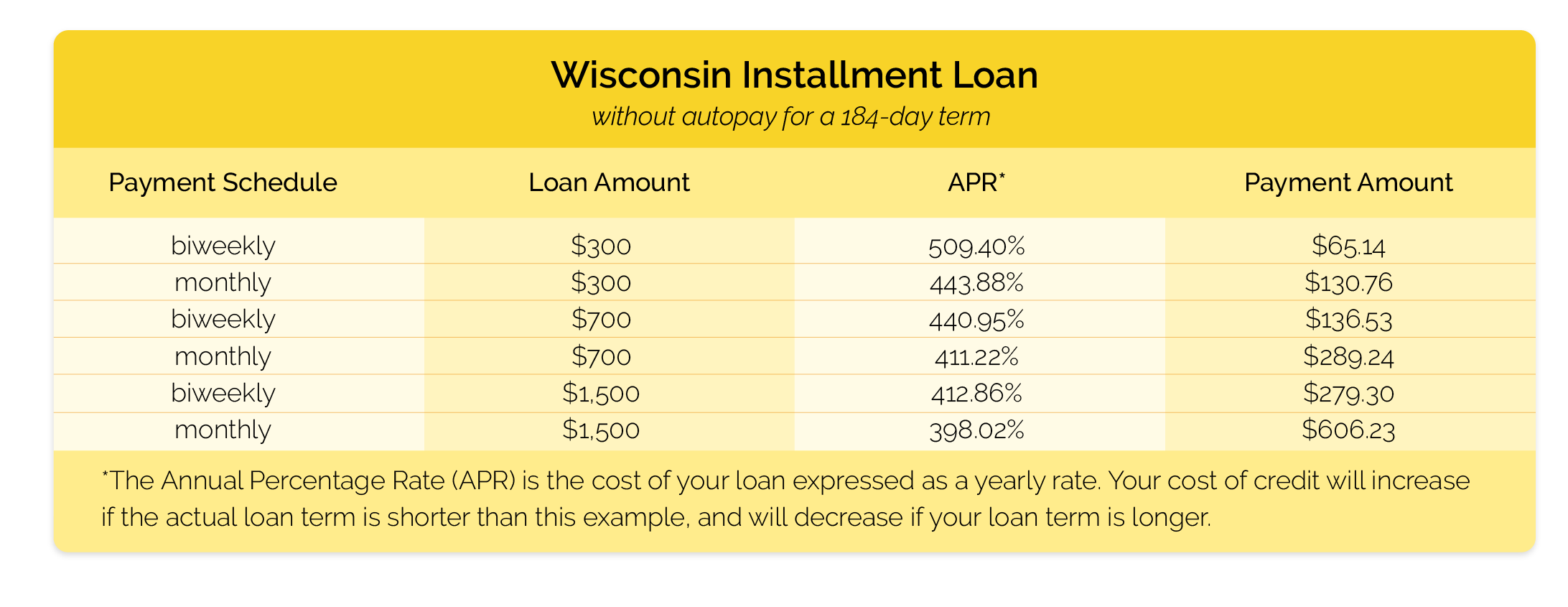
When comparing these options, it helps to look at the specific numbers. For instance, installment loans in Wisconsin can provide a way to access funds without the immediate pressure of a single, massive repayment date.
But how much can you actually get? It varies wildly depending on the lender and your specific financial situation. Some providers focus on smaller, quick-turnaround amounts, while others cater to larger needs like medical bills or home repairs. It is not a one-size-fits-all market.
Comparing Loan Limits and Provider Types
If you are looking at the numbers, you’ll see a broad spectrum of availability. Some lenders in the state are geared toward very small, short-term fixes. Others are designed for more significant financial hurdles. Knowing which one fits your situation prevents you from taking on more debt than you can actually handle.
In Milwaukee, for example, you can find signature installment loans that provide anywhere from $100 to $1,500. This is useful for smaller emergencies. On the other hand, if you need something more substantial, other providers might offer much higher ceilings. It’s a wide gap to bridge.
Let’s look at the current landscape of what’s available to Wisconsin residents:
| Loan Type | Typical Amount Range | Primary Use Case |
|---|---|---|
| Small Signature Loans | $100 – $1,500 | Small repairs, quick bills |
| Standard Installment | $200 – $5,000 | Major car repairs, medical |
| High-Limit Funding | Up to $1,500+ | Emergency expenses |
And what about your credit? A common misconception is that you need a perfect score to get through the door. That isn’t strictly true. There are options specifically designed for those with less-than-ideal credit histories. In fact, some residents in the state look for bad credit installment loans online up to $1500 to get through a tight month.
The trade-off for this accessibility is usually the interest rate. If you aren’t using a traditional bank, you are paying for that convenience and the lender’s willingness to take a risk on your credit profile. You have to weigh that cost against the immediate necessity of the funds.
The Digital Shift in Wisconsin Lending
The days of driving from one storefront to another in Green Bay to find cash are largely fading. The digital aspect of lending has changed the math for most people. You can now apply for these loans from your kitchen table, which saves time and, more importantly, saves you from the awkwardness of explaining your finances to a stranger in person.
Online lenders like Max Cash® have streamlined the process. They focus on offering secured installment loans where you can access funding and pay it back through those consistent, equal payments mentioned earlier. It’s a much more automated, less intrusive way to handle money.
Is it always faster? Not necessarily. While the application might be instant, the actual funding depends on several factors, including your bank’s processing times and the lender’s verification steps. You shouldn’t assume the money will be in your account the second you hit “submit.”
If you’re looking for the best way to navigate this, it helps to know who the major players are. Looking at some of the top-rated options for 2026, you’ll see names like Check City, Max Cash, and WiscLoans appearing in various lists. Each has a different specialty, and choosing the wrong one for your specific need can lead to unnecessary costs.
Some lenders are better for people who have collateral, while others are strictly unsecured. If you have something of value to back the loan, you might find better terms. If you don’t, you’ll likely be looking at higher rates or lower loan amounts.
Local Nuances and Regional Options
Geography still matters in the Wisconsin lending market. What works in Milwaukee might not be the most efficient option for someone living in a more rural part of the state. The availability of certain types of loans, like payday loans versus installment loans, can change based on local regulations and the density of lenders in your area.
In Green Bay, for example, you might see a mix of traditional payday options for very short-term needs and installment loans for longer-term ones. This variety is actually a good thing. It means you have choices rather than being stuck with one single type of debt product. You can pick the tool that fits the job.
But you have to be careful with how you use these tools. Taking out a loan to pay off another loan is a recipe for disaster. It’s a cycle that’s hard to break once it starts. Most financial advisors will tell you that an installment loan should be a bridge, not a permanent lifestyle.
Consider these steps before you commit to any loan application:
- Verify the total cost of the loan, including all interest and fees.
- Check if the lender is properly licensed to operate in Wisconsin.
- Confirm the exact repayment schedule so you aren’t surprised by a due date.
- Ensure you have a clear plan for how the monthly payments fit into your budget.
The goal is to resolve the emergency, not to create a long-term headache. If a $500 loan to fix your car results in $2,000 in interest over the next year, you haven’t really solved the problem; you’ve just moved the problem to a different part of your life.
Evaluating the Cost of Speed
Speed is the primary reason people turn to these lenders. If your car is in the shop and you can’t get to work, you need that money yesterday. This urgency is what drives the market for “instant” funding or quick-approval loans. It’s a service that people are willing to pay for, but the price of that speed can be steep.
When you look at the 2026 outlook for these services, the competition seems to be increasing. As more fintech companies move into the space, the terms might become slightly more favorable for the consumer, but the core reality remains: high-speed money is rarely cheap money. You are paying for the lack of a credit check or the speed of the transfer.
Some lenders, like OppLoans or LightStream, operate on different ends of the spectrum. One might be much more accessible for those with bad credit, while the other might require a much better profile but offers much lower rates. It’s not a race; it’s a selection process.
At the end of the day, an installment loan is just a tool. It isn’t inherently good or bad; it’s just a way to move cash from a lender to a borrower with a set plan for how that money gets returned. Using it correctly is the difference between getting ahead and falling behind.
Just make sure you actually read the contract before you sign your name to it. For the full picture, it’s worth checking Wisconsin installment loan.
Quick answers
What are Wisconsin installment loans?
Wisconsin installment loans are fixed-term loans where the borrower repays the principal and interest through a series of scheduled monthly payments.
Are there interest rate caps on installment loans in Wisconsin?
Yes, Wisconsin law regulates the maximum interest rates and fees that lenders can charge to ensure consumer protection.
How do installment loans differ from payday loans in Wisconsin?
Unlike payday loans which require full repayment on a single date, installment loans allow you to spread repayments over several months.
Can I get an installment loan with bad credit in Wisconsin?
Yes, many lenders offer installment loans to borrowers with poor credit, though this may result in higher interest rates.
What is the typical repayment term for an installment loan?
Repayment terms vary by lender but commonly range from six months to several years depending on the loan amount.