
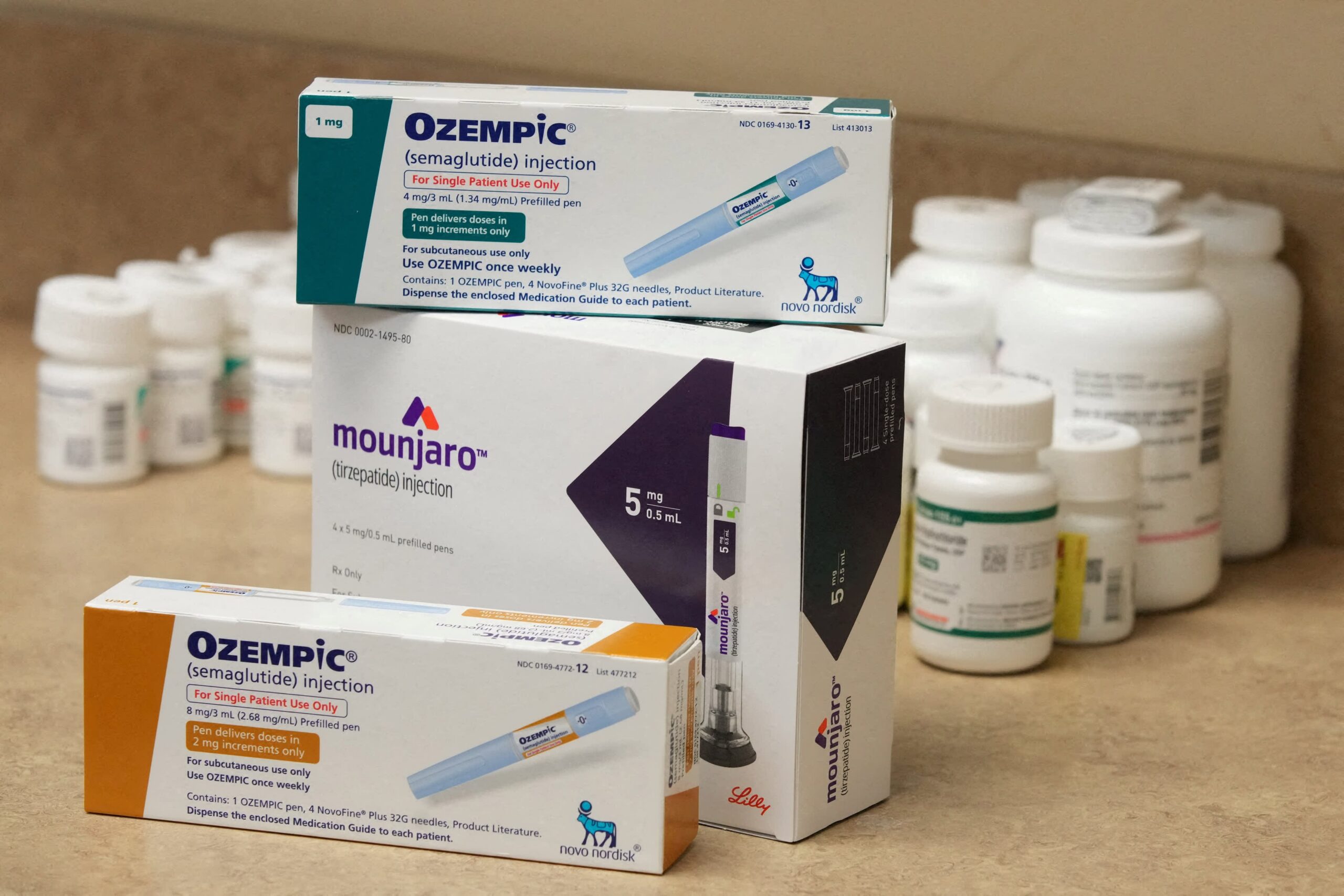
Where can I buy GLP-1 pills? This is the question currently flooding my inbox and search engines alike, usually from people who have spent years struggling with the scale and are finally looking for a medical solution that actually works. If you are reading this, you are likely staring at a prescription or a list of names like semaglutide or tirzepatide, wondering if you should head to your local corner chemist, wait for a delivery from an online giant, or hunt for a specialized telehealth service that promises something different.
The reality is that the way we acquire weight loss medication has changed more in the last twenty-four months than it did in the previous twenty years. It is no longer just about walking into a pharmacy and asking for a refill. There is a whole ecosystem of digital platforms, direct-to-consumer models, and traditional brick-and-mortar options that all offer very different prices, delivery speeds, and levels of medical oversight.
You might be feeling overwhelmed by the sheer volume of options. Between the celebrity endorsements and the social media hype, it is hard to tell what is a legitimate medical pathway and what is just a clever marketing funnel designed to sell you a subscription. You need to know how to navigate this without getting burned by high costs or, worse, unreliable sources.
Sorting Through Your Prescription Options
Before you even look for a pharmacy, you need to know what kind of medication you are actually looking for. Not all weight loss drugs are built the same way, and the “popular” ones you hear about in the news are often part of a specific class of drugs called GLP-1 agonists. These work by mimicking hormones in your body to signal to your brain that you are full, which changes your relationship with food on a biological level.
You will see names like semaglutide (often sold as Wegovy) and tirzepatide (sold as Zepbound) appearing everywhere lately. These are the heavy hitters. But they aren’t the only tools in the medical toolbox. If you are looking for something different, you might be looking at older, more traditional medications like phentermine or even Orlistat.
| Medication Class | Common Brand Names | How It Works |
|---|---|---|
| GLP-1 Agonists | Wegovy, Zepbound, Saxenda | Mimics satiety hormones to reduce appetite. |
| Stimulants | Phentermine | Suppresses appetite via the central nervous system. |
| Lipase Inhibitors | Xenical (Orlistat), Alli | Prevents the body from absorbing some fat. |
| Combination Therapy | Qsymia | Combines phentermine and topiramate. |
But don’t assume that the most expensive option is always the best one for your specific biology. Some people find that a simple Orlistat regimen helps them drop about 5 to 10 pounds without the intense nausea sometimes associated with the newer injectable drugs. You have to match the chemistry to your lifestyle.
And if you are looking for alternatives because the big brands are out of stock or too expensive, you might find success with other FDA-approved options. There are 7 FDA-approved weight loss medications that work in different ways, including those that combine drugs like naltrexone and bupropion. You have to be honest with yourself about whether you want a “lifestyle” aid or a heavy-duty medical intervention.
Navigating the Digital Pharmacy Maze
Once you have a prescription, the next step is deciding where it actually goes. You have several paths you can take, and each one has its own set of rules regarding insurance and shipping. The traditional way is to send your script to a local pharmacy, but for many, the “big players” in the digital space are becoming much more attractive because they integrate the doctor’s visit and the medication into one single workflow.
For example, if you use a service like Weight Watchers, they have established partnerships to make things easier. They work with Amazon Pharmacy, CenterWell Pharmacy, and Lilly Direct to ensure their members can actually get the medications they are prescribed without playing phone tag with a local pharmacist. This is a huge shift in how we handle healthcare logistics.
The steps to getting your medication online generally look like this:
- The Consultation: You will likely start with a telehealth appointment. This isn’t just a form you fill out; it’s a real conversation with a provider to ensure the medication is safe for your heart and your metabolic health.
- The Prescription: If the provider agrees, they send a digital prescription directly to a pharmacy. You don’t usually get a paper slip to carry around anymore.
- Insurance Verification: You’ll provide your insurance info. This is where things get tricky. Some insurers cover these drugs, while others treat them as “lifestyle” drugs and refuse to pay a dime.
- Shipping and Delivery: Most modern services ship your medication in temperature-controlled packaging, which is vital if you are dealing with injectables that need to stay cool.
If you are worried about the price tag, you aren’t alone. Many people find that the sticker shock at the pharmacy counter is the biggest barrier to treatment. It is worth checking if you can buy prescription weight loss medication through platforms that offer significant discounts or coupons, sometimes bringing the cost down significantly from the retail price.
If you are working with a specific doctor, like Dr. Herrmann Süßen, you might find that they have a preferred way of handling your prescriptions to ensure they are filled correctly and quickly. Having a direct line to your medical professional makes the whole process feel much less like a transaction and much more like actual healthcare.
What to Expect Once You Start
It is a mistake to think that the medication does all the heavy lifting. If you expect to wake up tomorrow and see a different number on the scale without changing a single other habit, you are going to be disappointed and potentially frustrated. The medicine is a tool, not a magic wand. It makes the “hard part”—the constant mental chatter about food, much quieter.
You might experience some side effects in the first few weeks. For the GLP-1 class, nausea is the most common complaint. You might feel a bit of a “tummy flutter” or a lack of interest in food that feels slightly unnatural at first. This is usually your body adjusting to the new hormonal signals. It doesn’t mean the drug isn’t working; it means it is working.
But you should also prepare for the psychological shift. When you aren’t fighting the urge to snack every two hours, you have to decide what to do with that extra mental energy. Some people find it’s a great time to start a new hobby, while others find the sudden lack of “food noise” leaves a void. You need a plan for your lifestyle, not just a plan for your plate.
It is also important to realize that weight loss is rarely a straight line down. You will have weeks where the scale stays stagnant despite your best efforts. This is often due to water retention or hormonal fluctuations. Don’t panic and don’t stop taking your medication because of a single plateau.
When to Call Your Doctor Immediately
While these medications are generally safe for the vast majority of people who are prescribed them, you must be vigilant about how your body responds. There is a difference between “uncomfortable” and “dangerous,” and you need to know the line. Most side effects are digestive, but there are certain red flags that require immediate medical attention.
If you experience severe abdominal pain that feels like it is radiating to your back, that could be a sign of pancreatitis, a rare but serious side effect. If you notice a sudden change in your bowel habits that persists, or if you experience severe vomiting that prevents you from keeping fluids down, do not wait. Call your doctor or head to an urgent care center.
You should also watch for:
- Extreme fatigue or unusual weakness.
- Dizziness or lightheadedness when standing up quickly.
- Pain or swelling in the upper abdomen.
- Signs of an allergic reaction, like hives or swelling of the face.
If you are using a combination medication like Qsymia, which contains phentermine and topiramate, you need to be particularly mindful of your hydration and your mood. If you feel an unusual sense of anxiety or a racing heartbeat, that is your cue to pause and talk to your physician before continuing the regimen.
The journey toward a healthier weight is deeply personal and often quite complex.